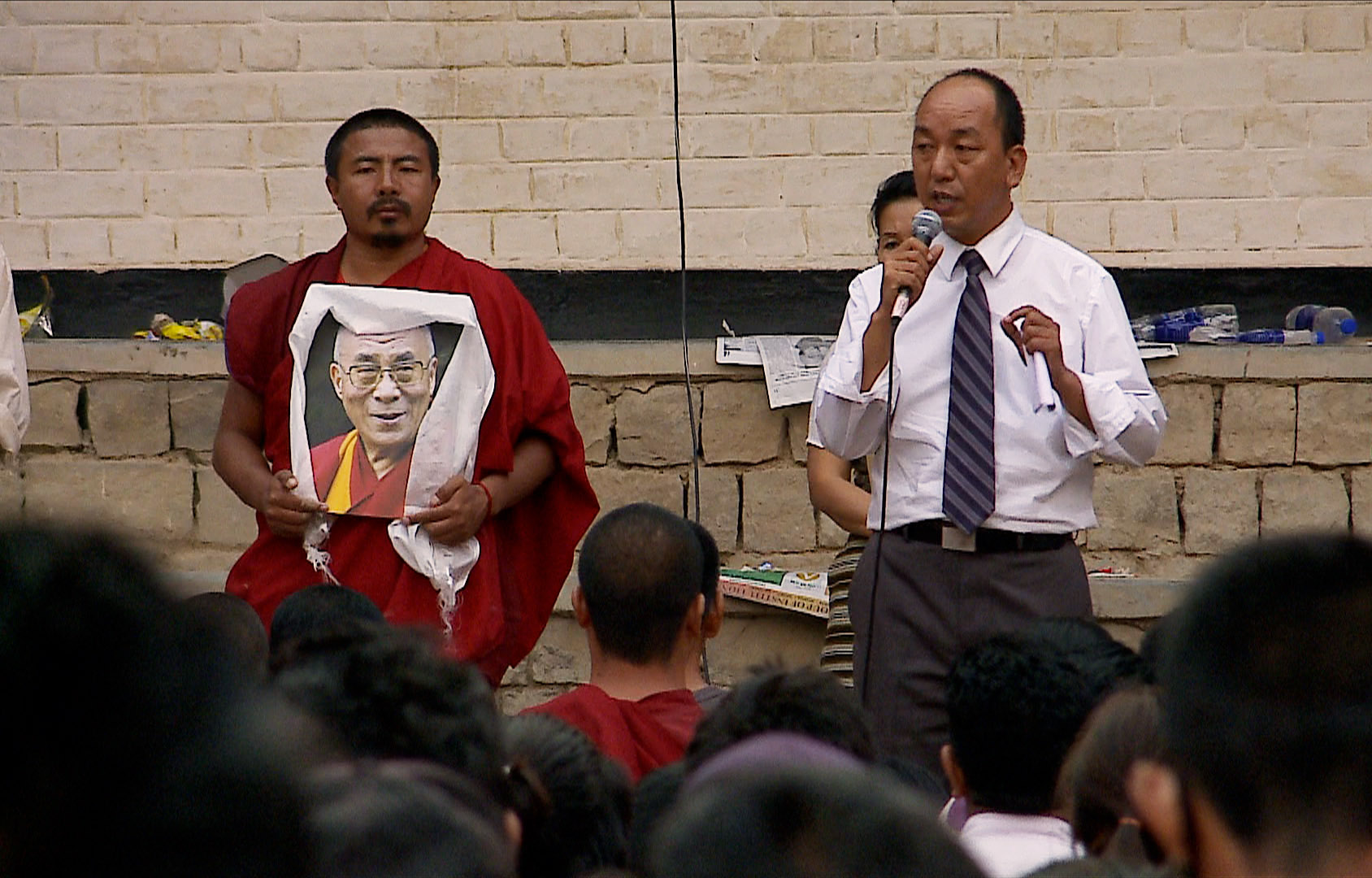
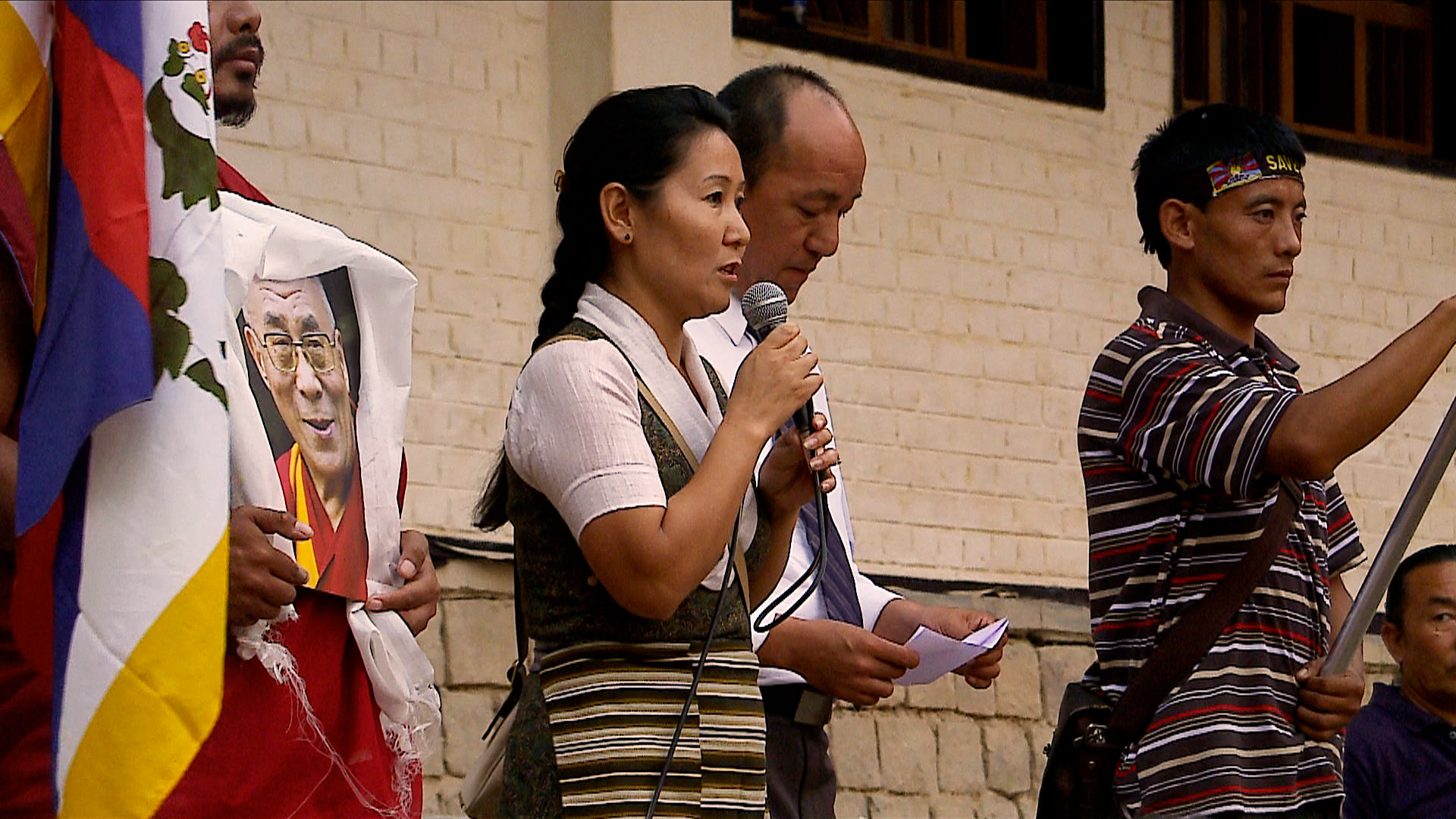
We are gathered here today to show our solidarity to the two self-immolations that happened in Tibet’s capital, Lhasa. Yesterday around mid-afternoon, there was a report about two self-immolations: 19-year old Dorjee Tseten and 25-year old Dargye. Both were from Amdo Province.
The latest report that we have says that Dorjee Tseten—the 19-year old—he passed away. We are not sure about the exact conditions of Dargye, and we believe he is still in the hospital. Both of them were arrested when the self-immolation took place. The Chinese police took them away. Within fifteen minutes or so, they cleared the self-immolation site as if nothing has happened…
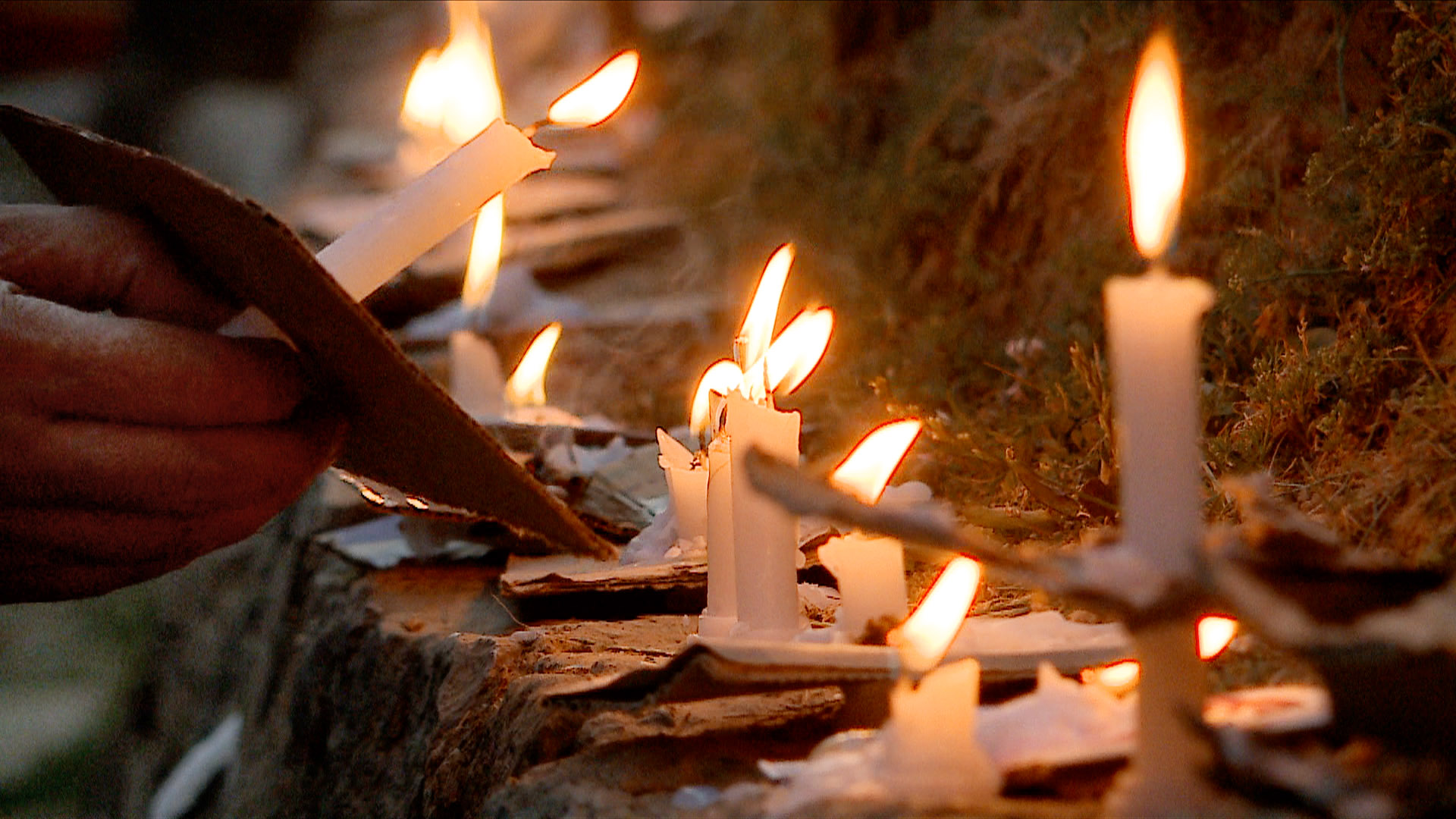
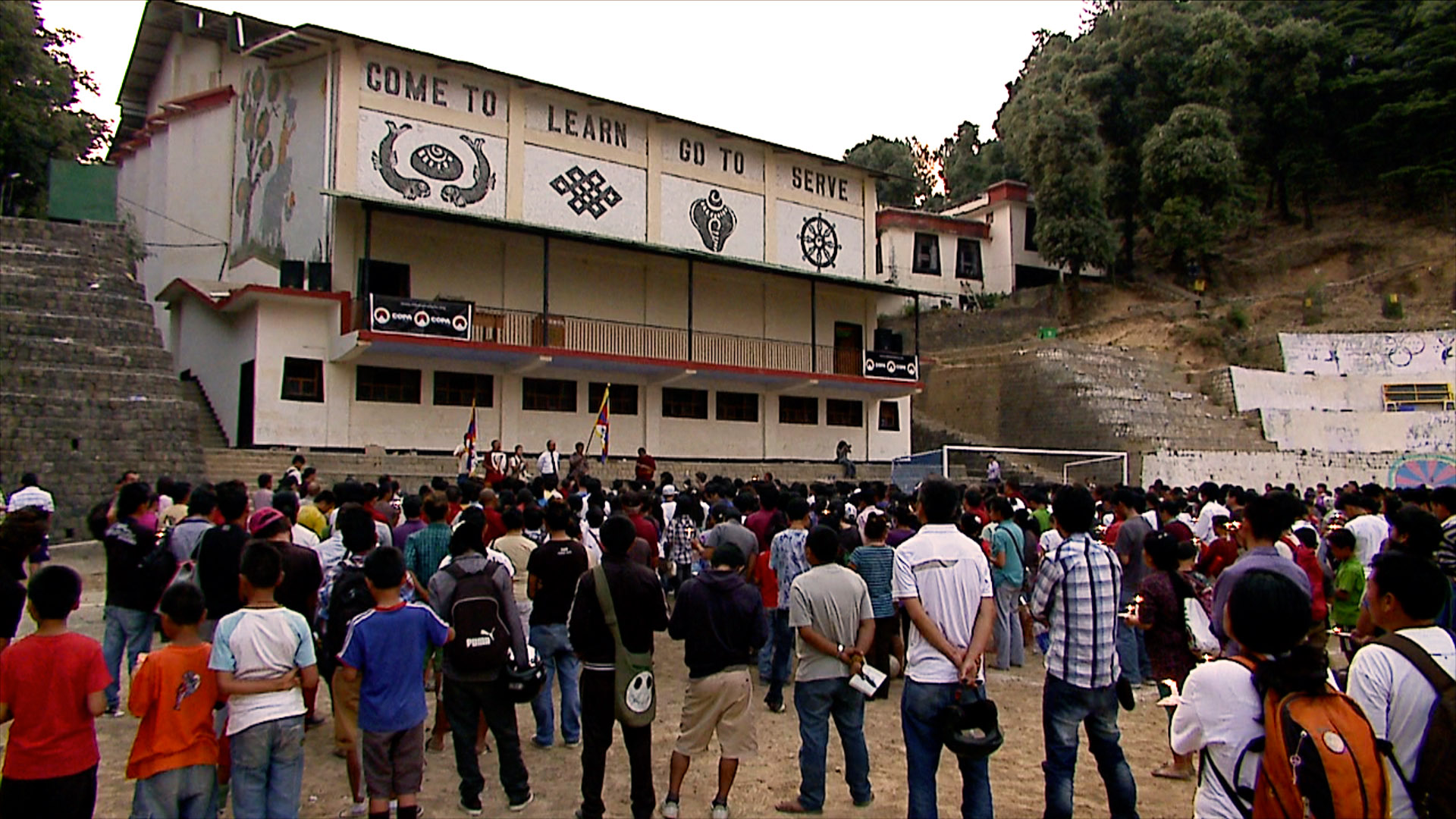
The Dharamsala Regional Tibetan Youth Congress and Tibetan Women’s Association organized a candlelight vigil on the soccer field at TCV. Lobsang and Passang went to record footage for Voice of America; Bennett and I tagged along to help with the camera and sound, respectively.
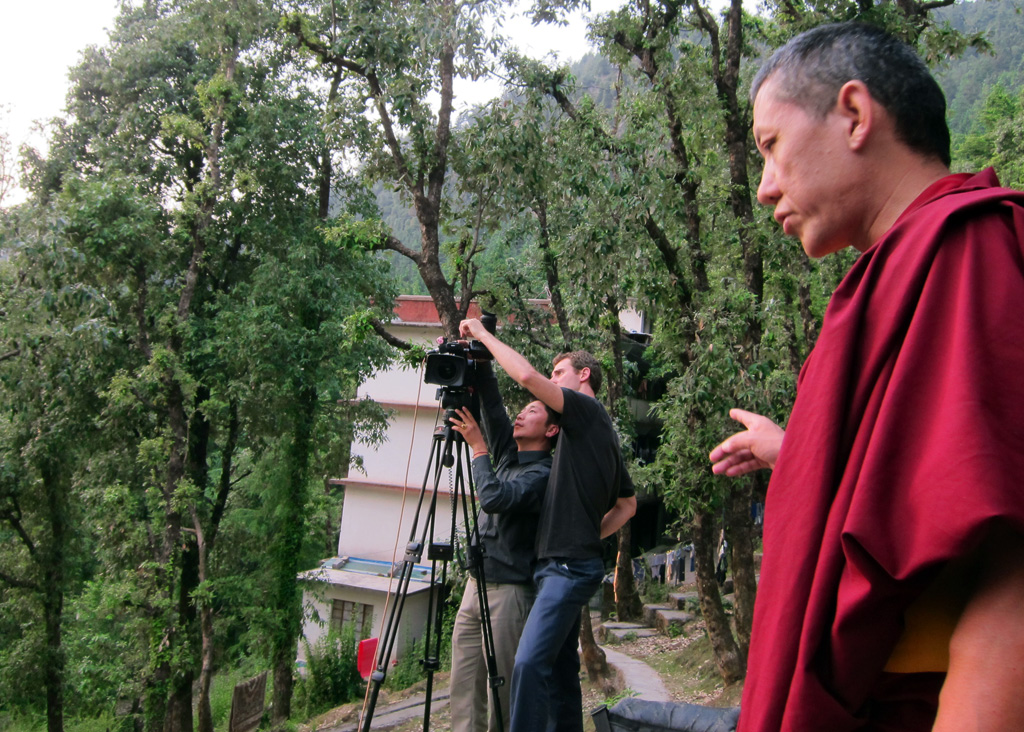
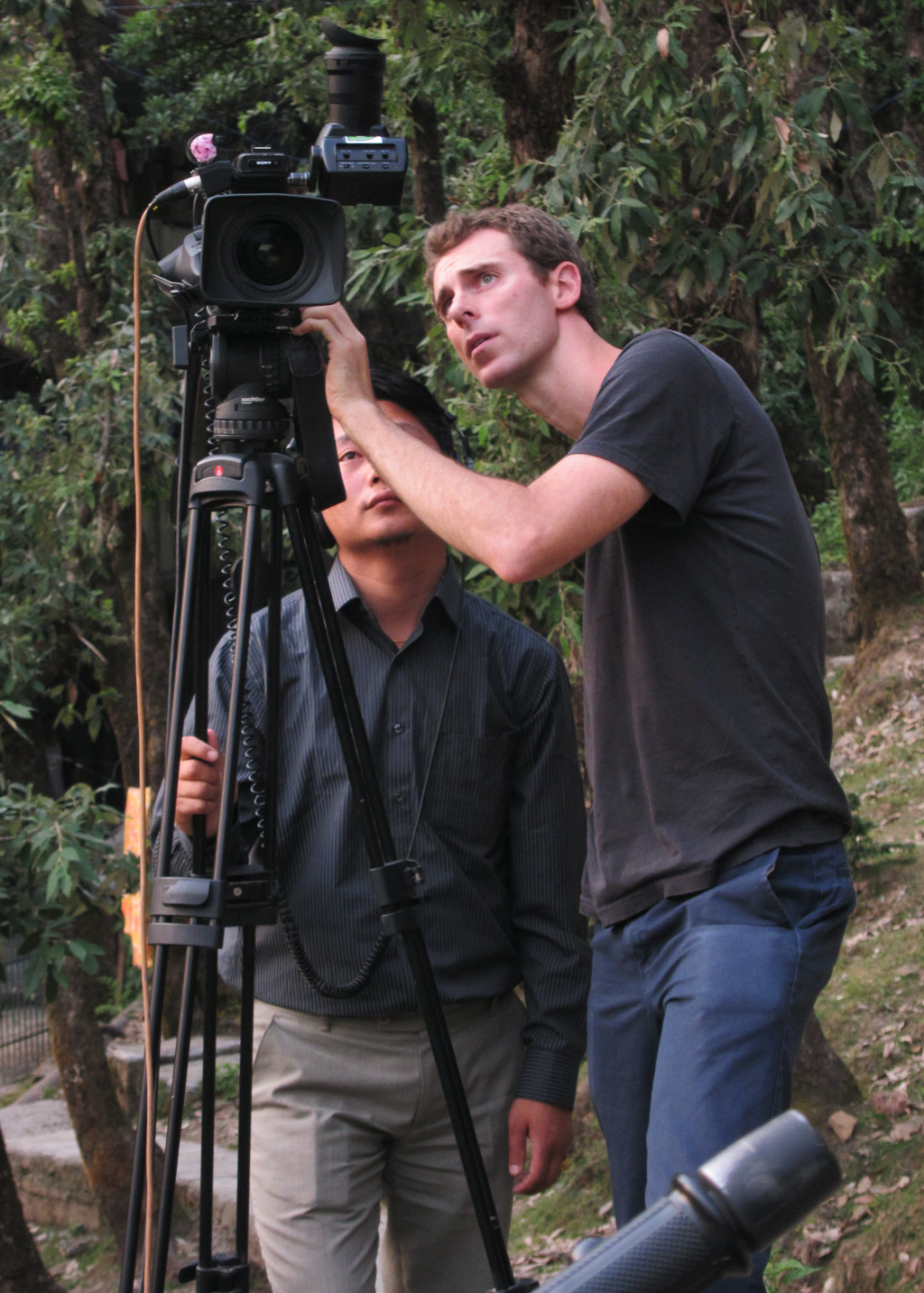
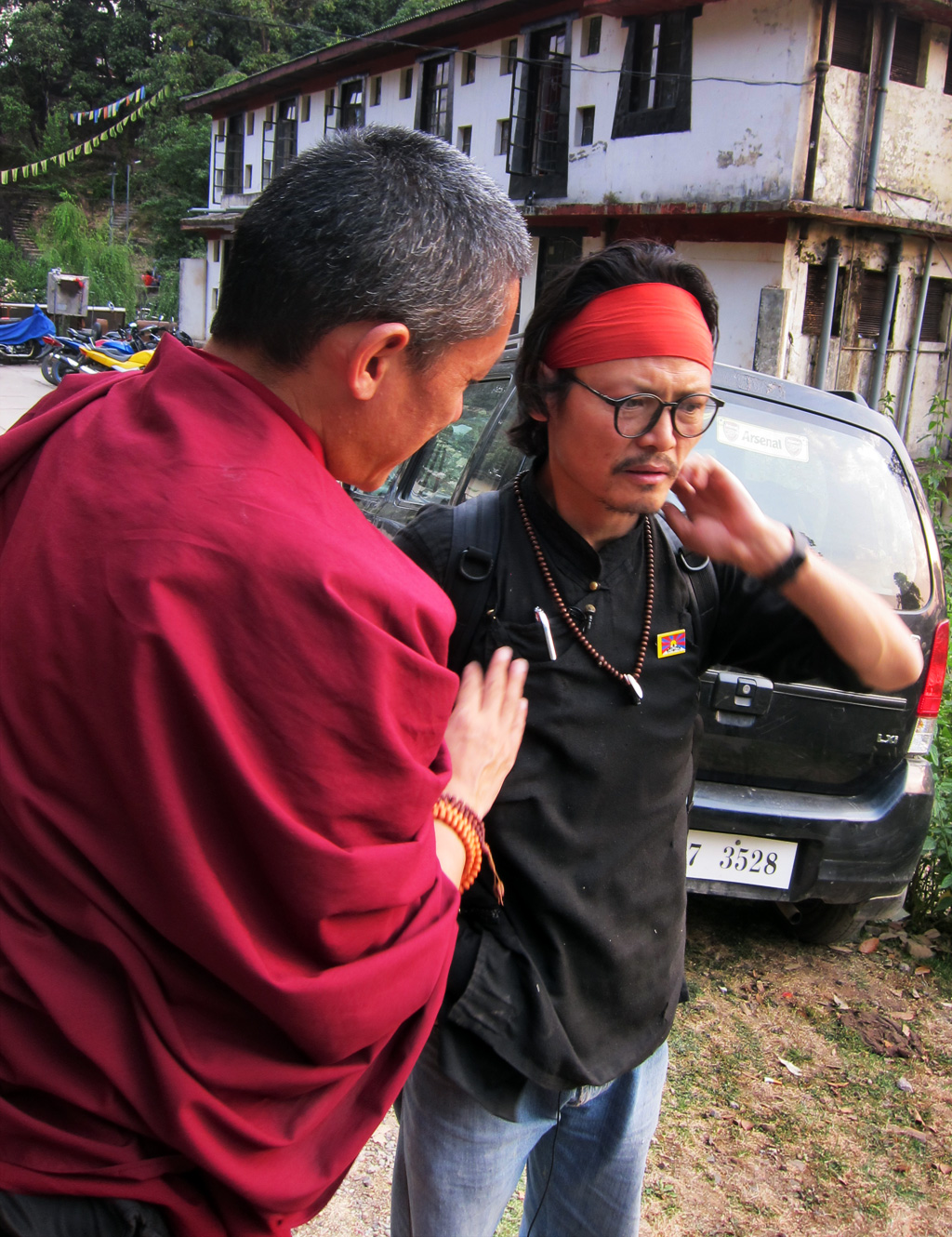
I wanted to demonstrate the benefits of using a shotgun mic over the lavalier the Archive typically uses for interviews, and they’ve got one we can test. It lacks a boompole, shockmount, and heavy-duty windscreen, but the weather was calm and I moved carefully to avoid the sonic rumble caused by physical vibration.
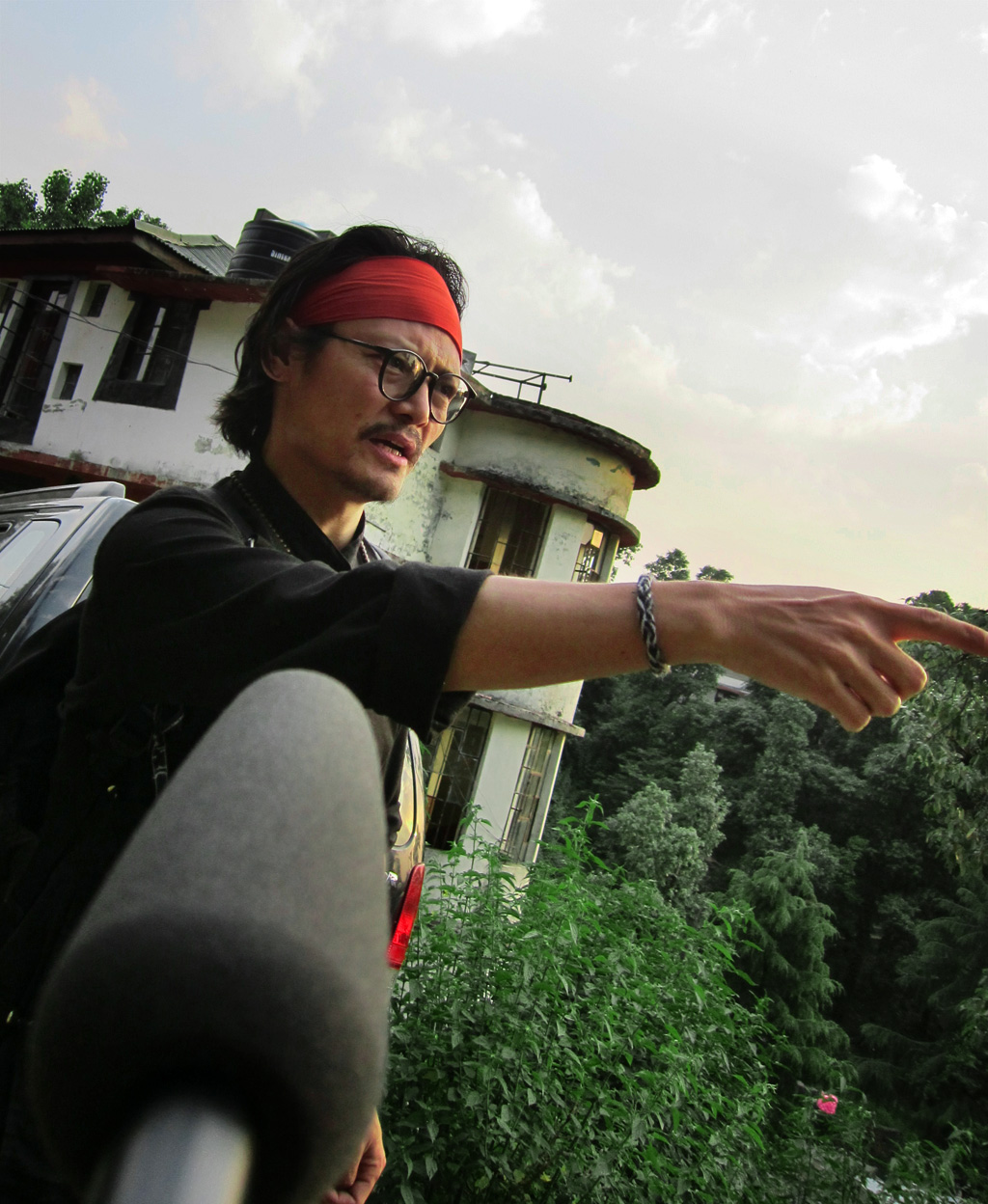
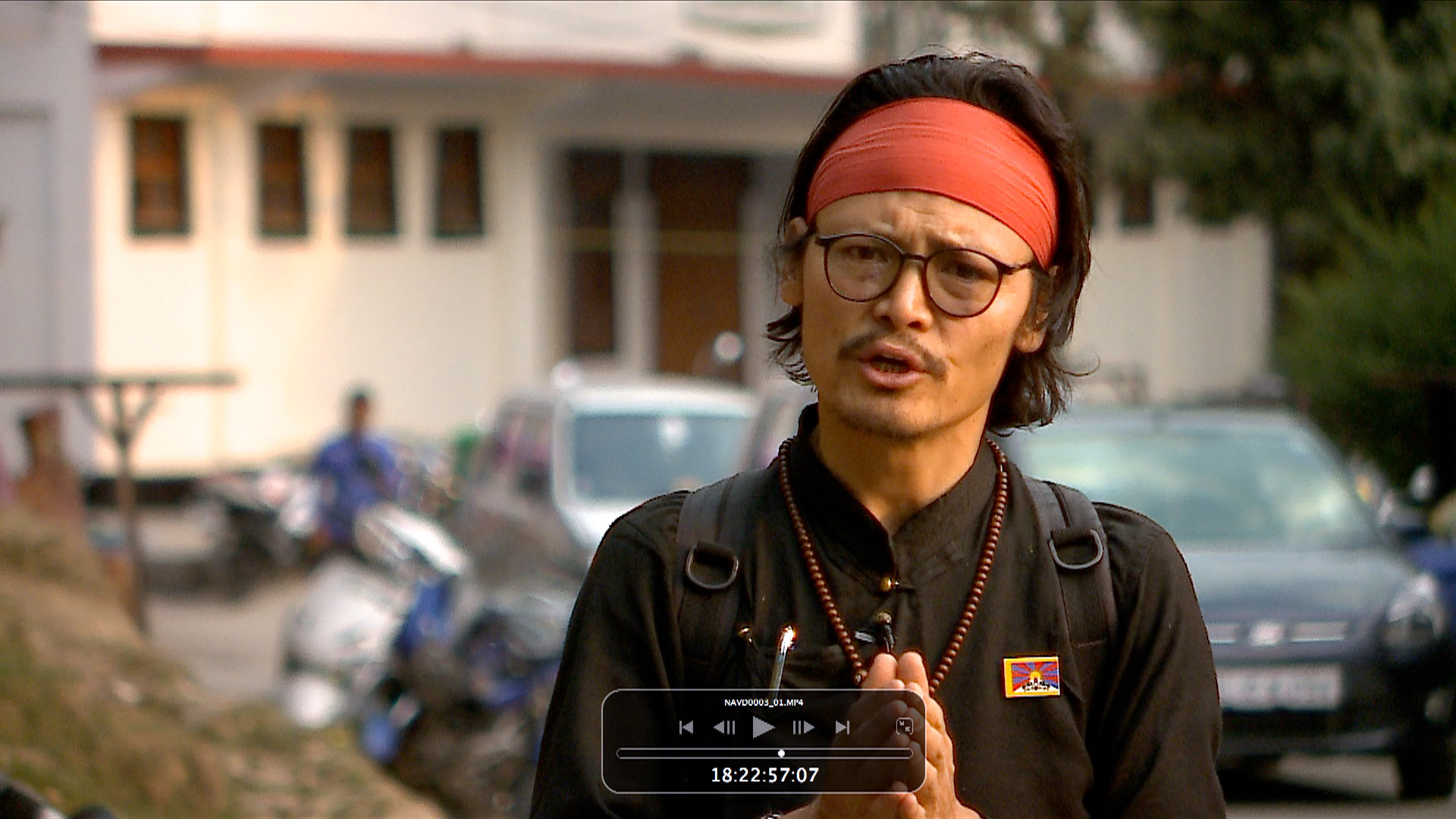
Tenzin Tsundue is a media savvy writer and political activist who regularly speaks about Tibetan issues. He vows to wear his red headband until Tibet is free. We did two takes, and he stopped the first one asking if the motorcycle sounds in the background were too loud—like I said: savvy.
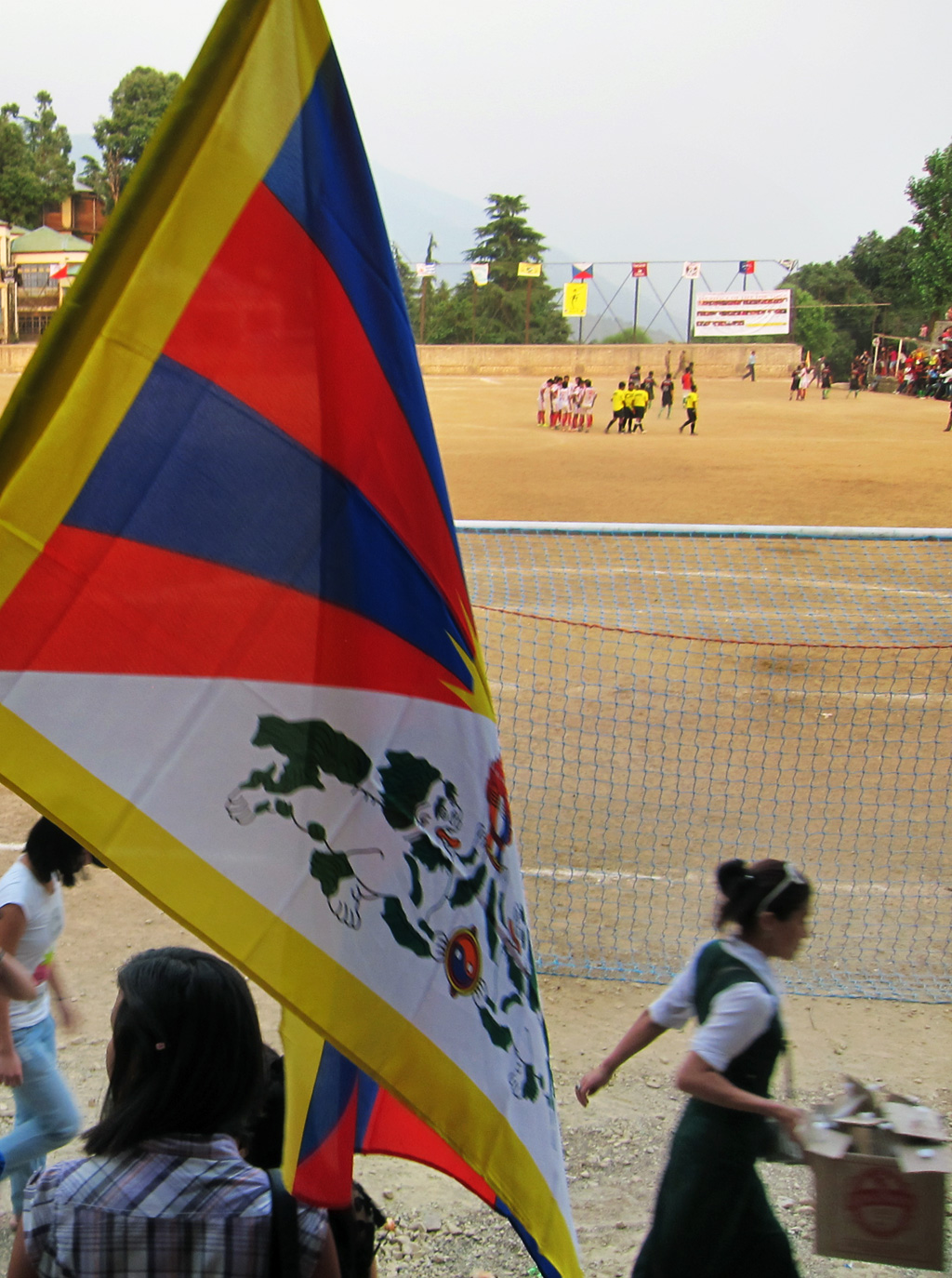
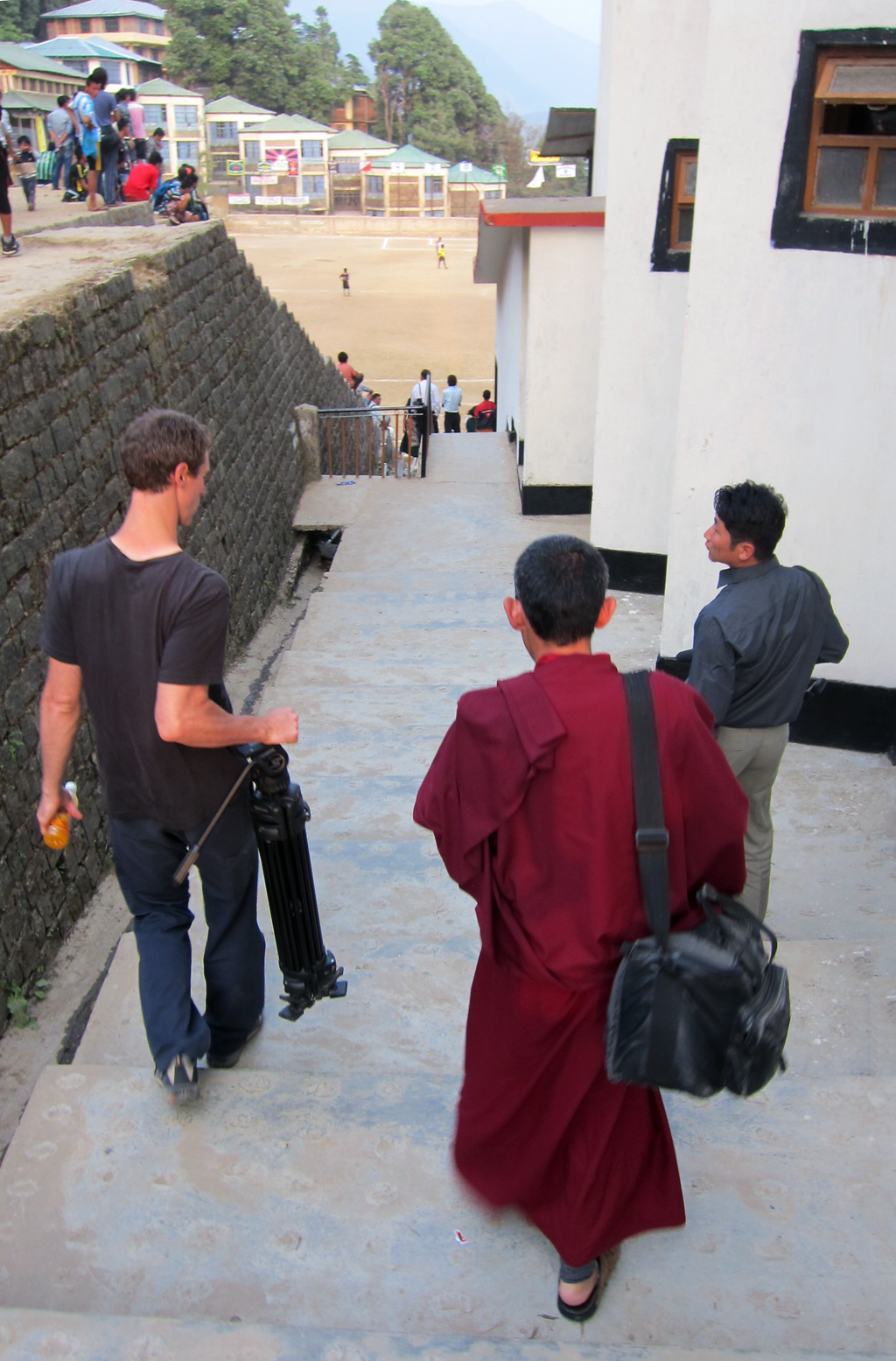
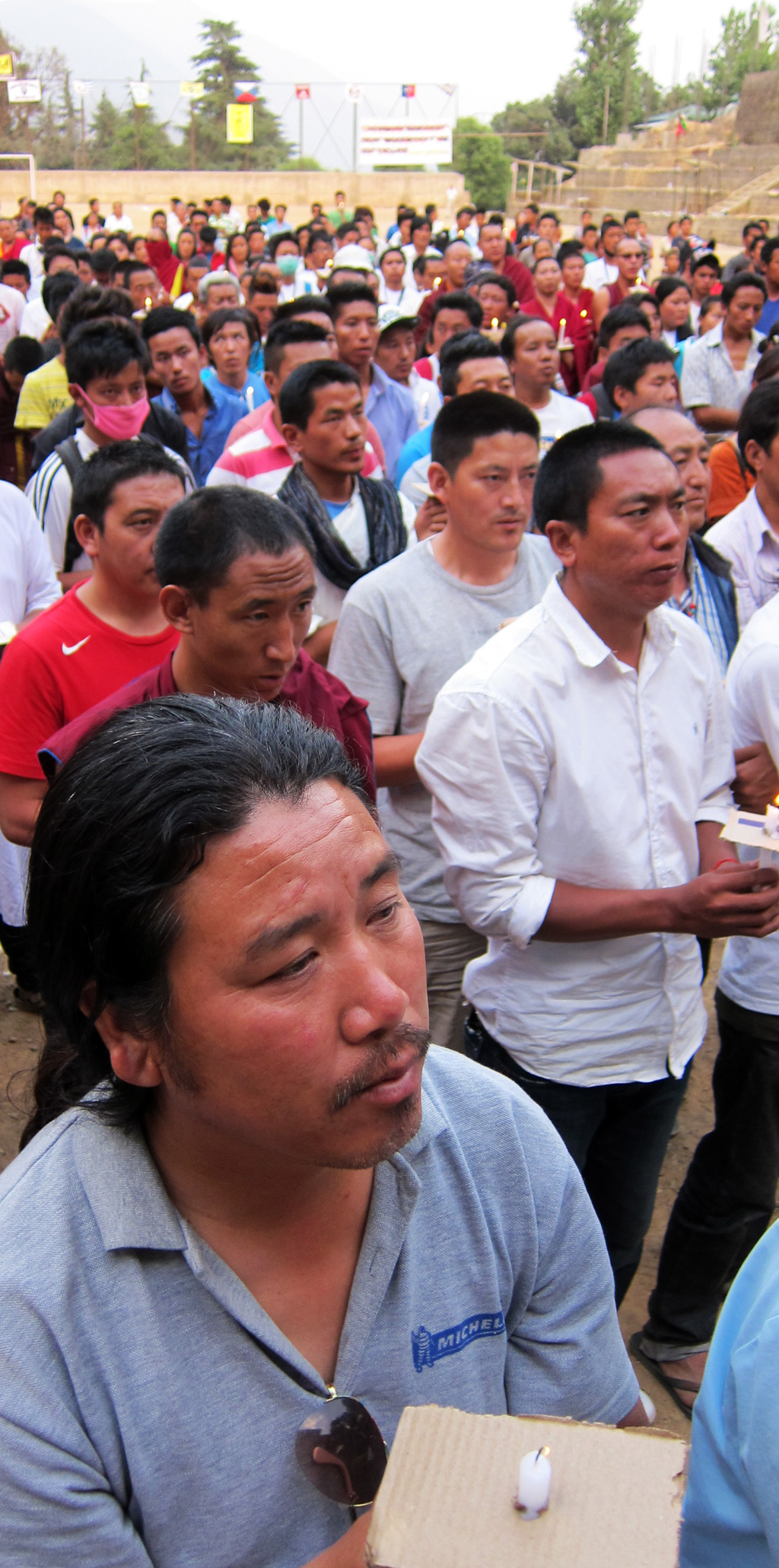
As I took my place near the stage, I felt a gentle hand on my arm and looked up to see Geshe Kunkhen. He was somber, but smiled when he saw my startled expression—I’m not used to recognizing people outside of McLeod. He gripped my hand in that kind manner so many here have mastered, then walked onstage to lead the public prayer.
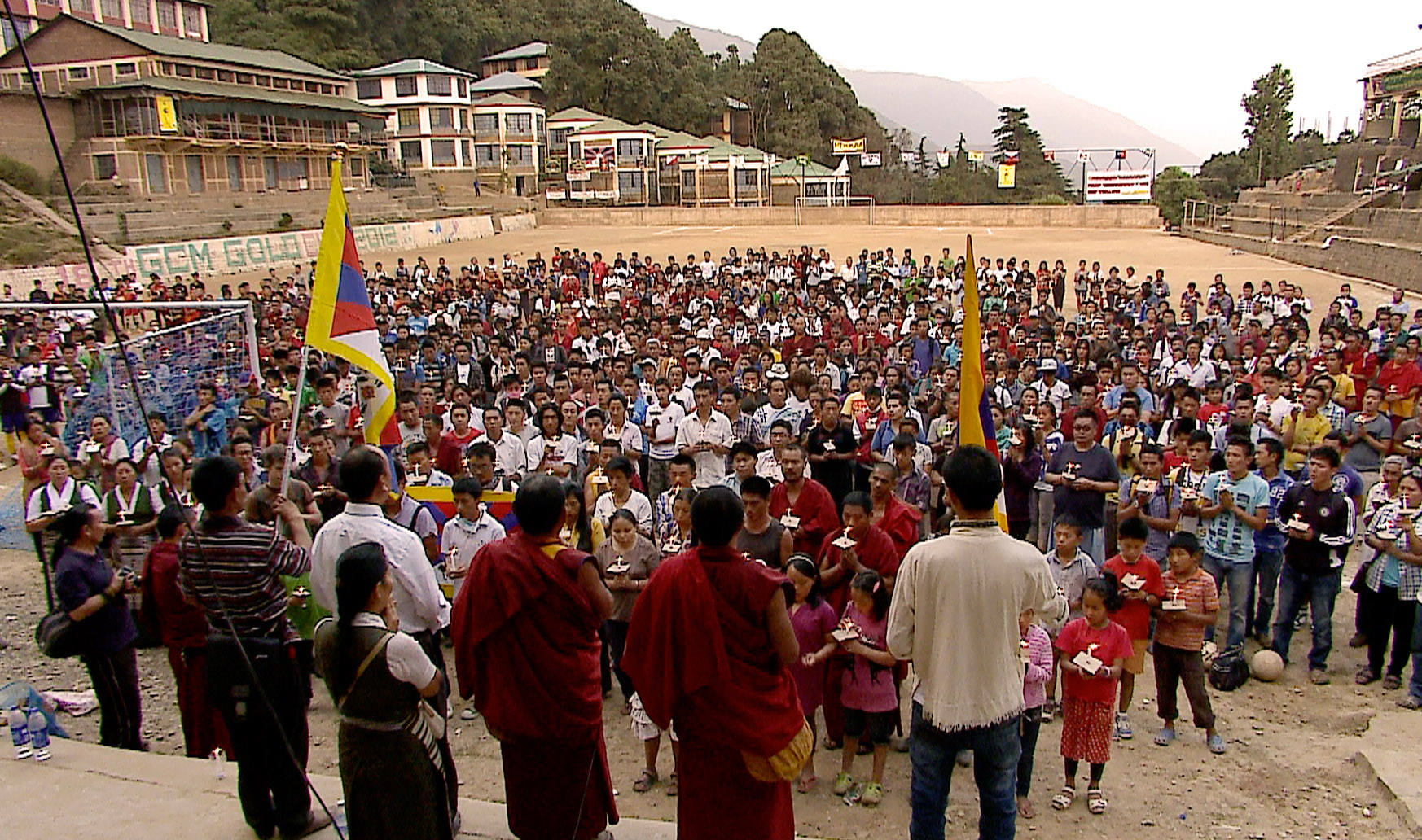
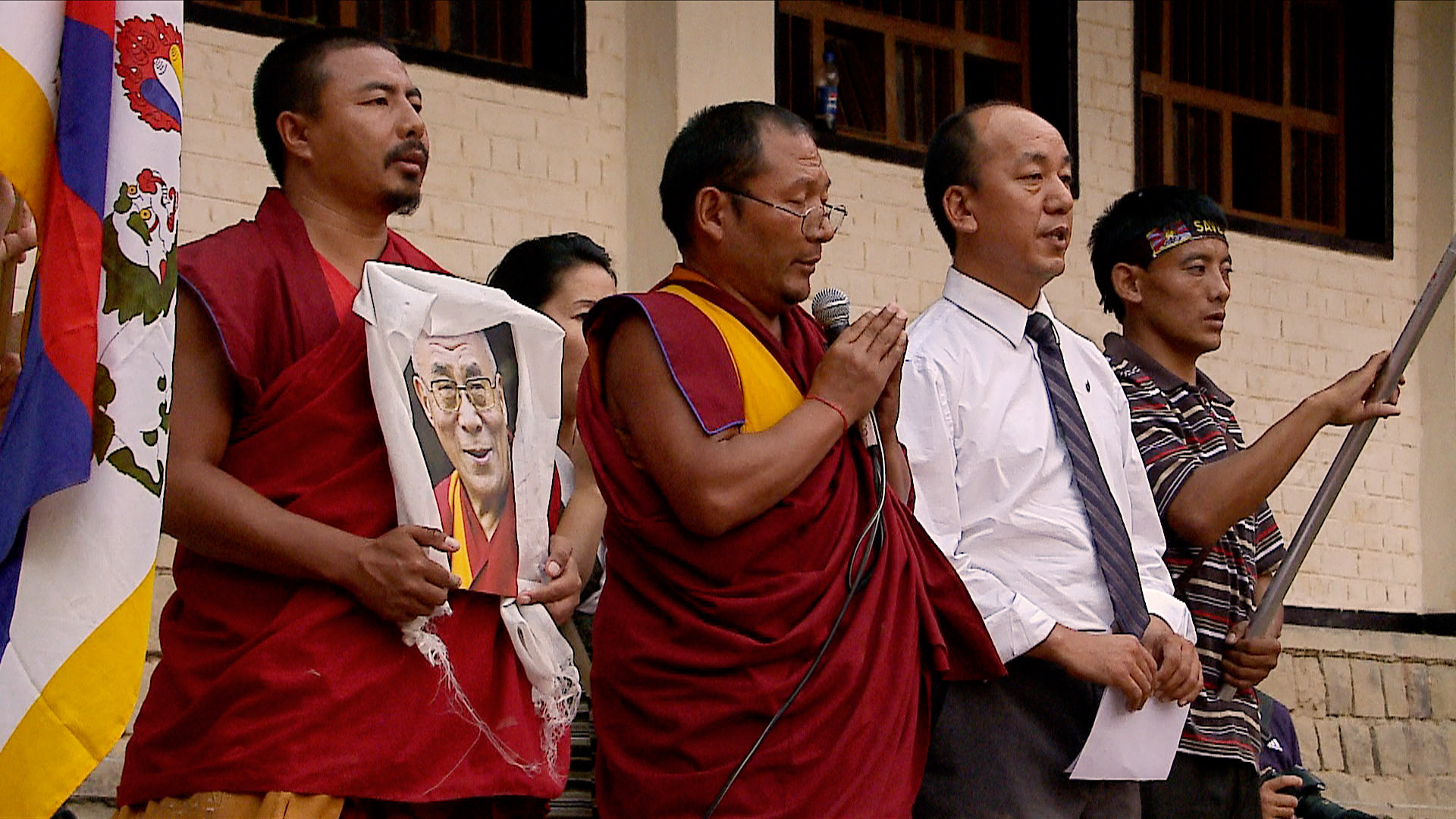
Note: for brevity, the audio has been cut down. If you were familiar with these prayers and songs, it might sound like the Tibetan equivalent of chopping the Star-Spangled Banner down to “O say can you see by the dawn’s early light; O’er the land of the free and the home of the brave.”
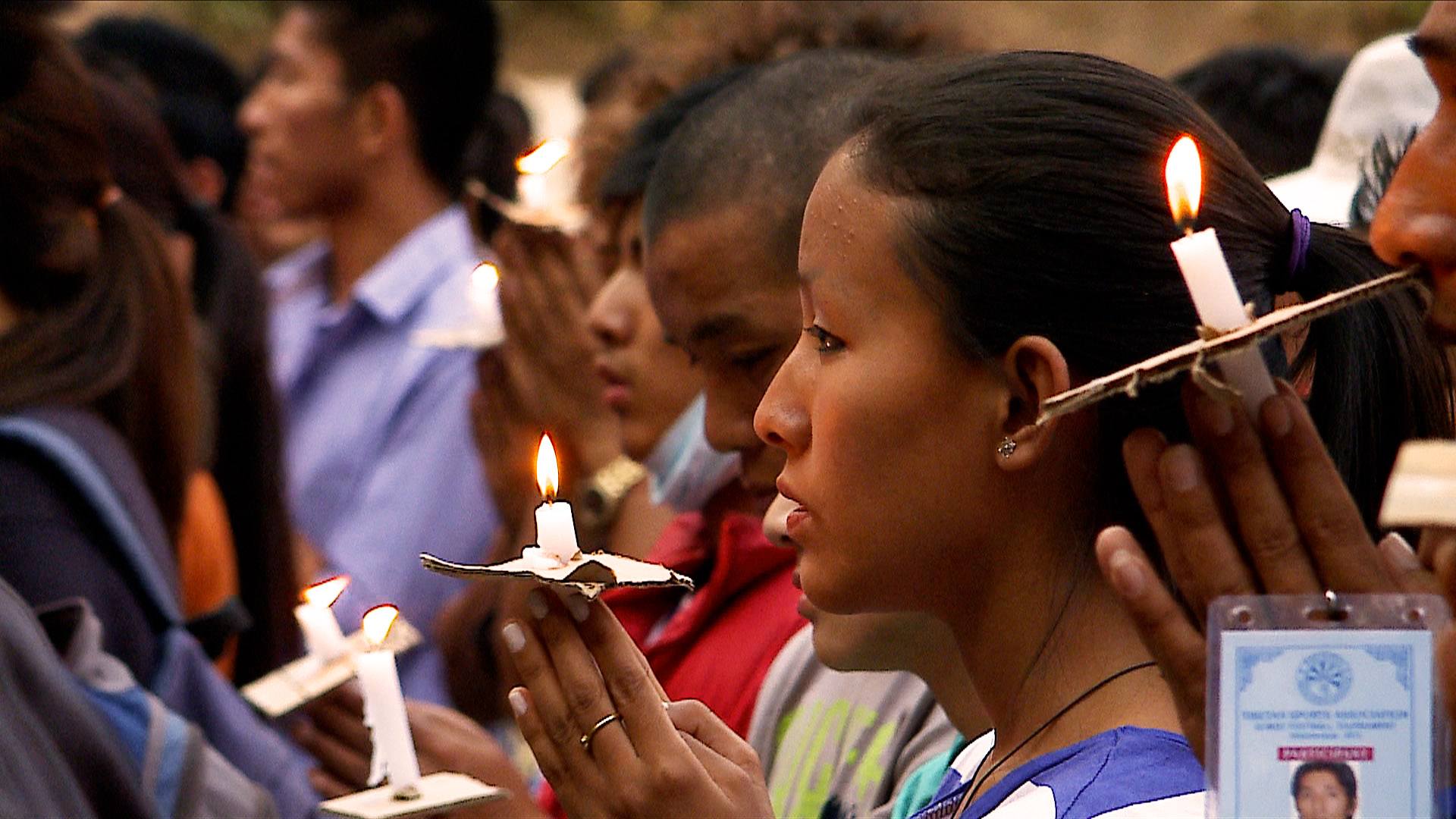
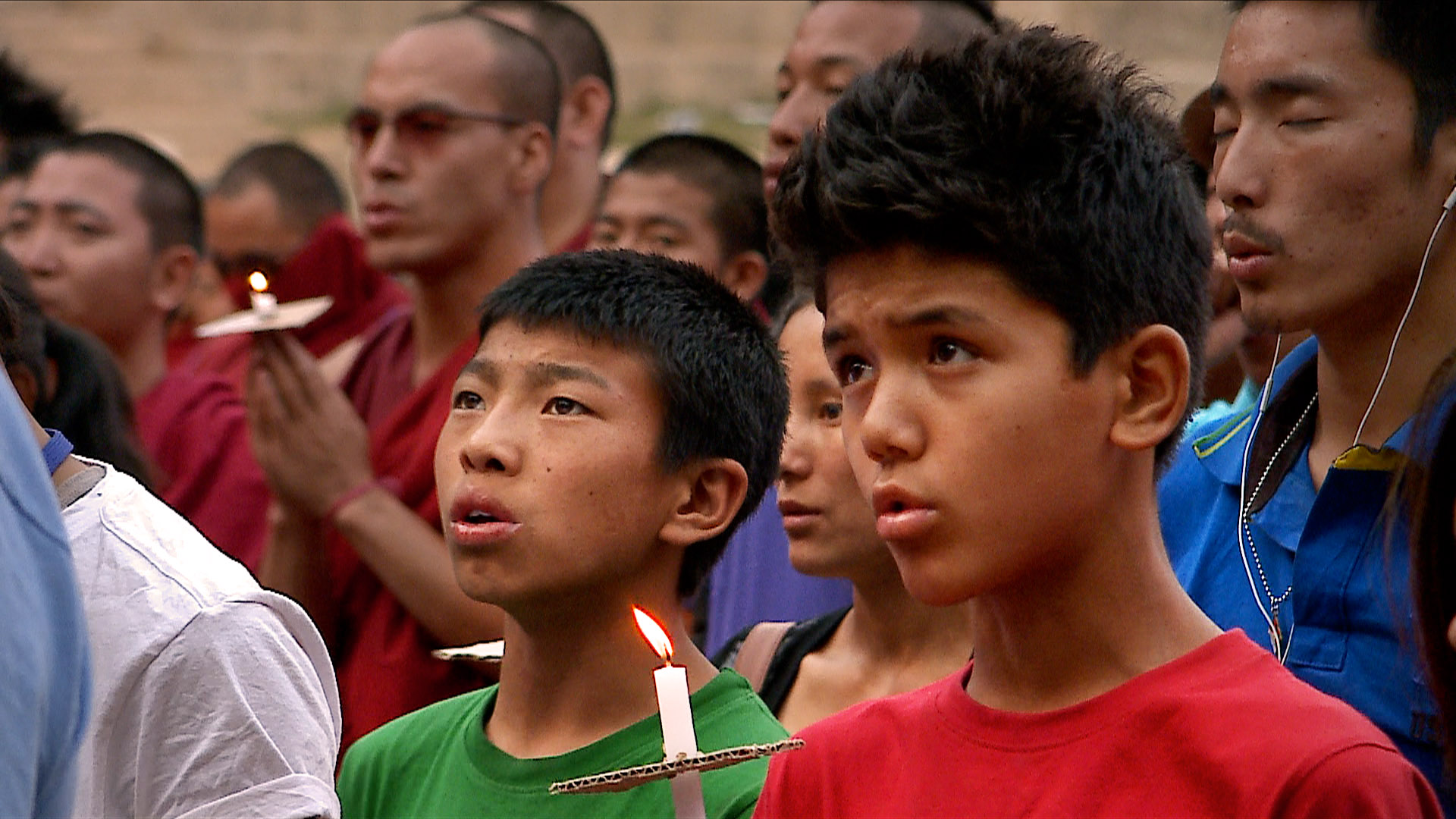
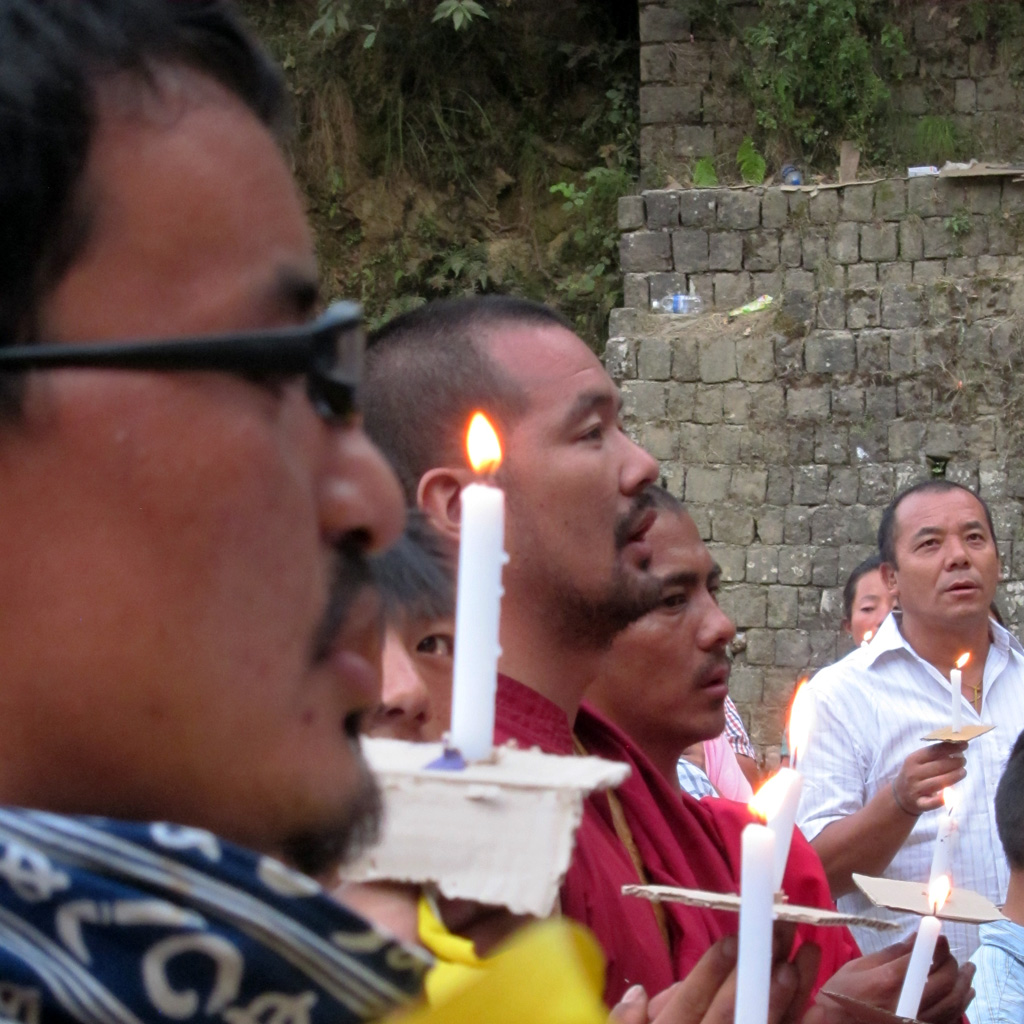
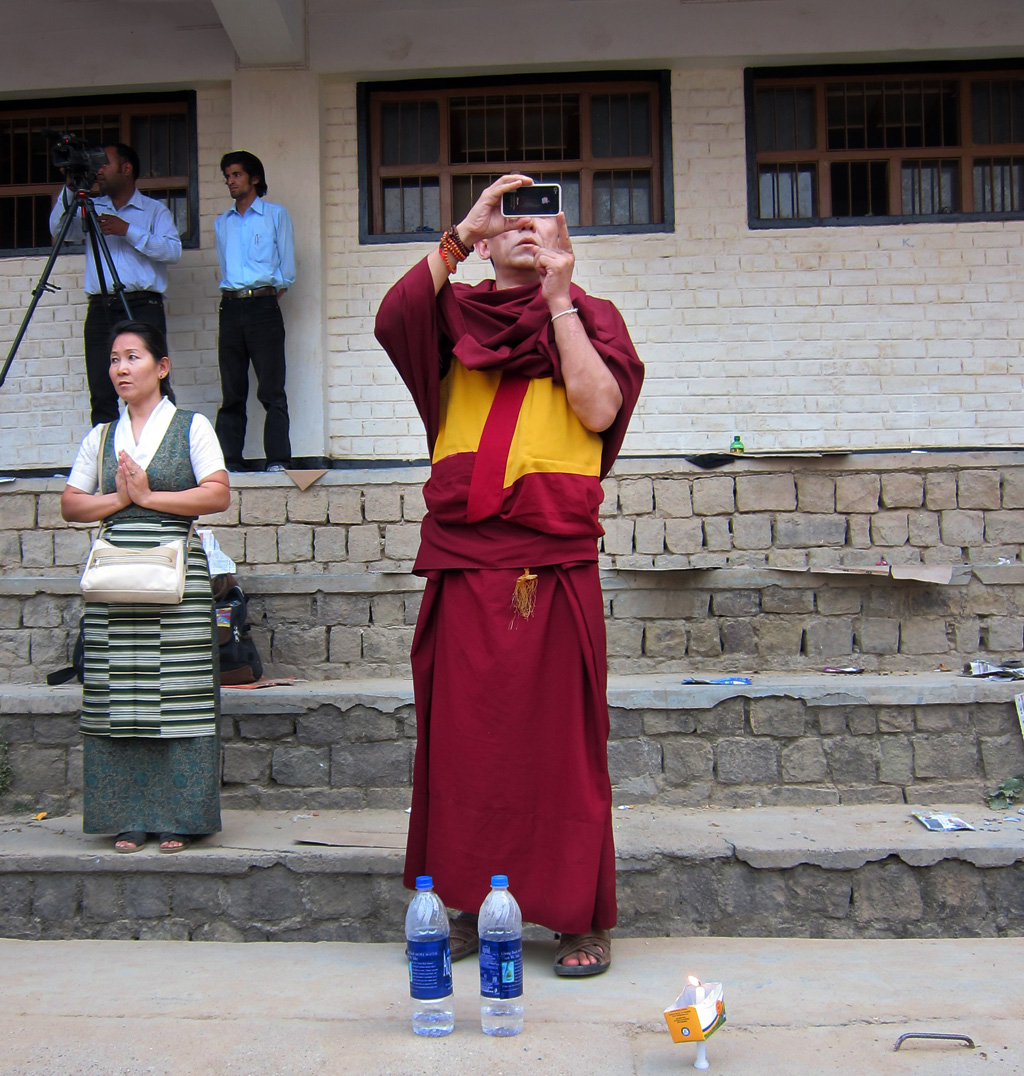
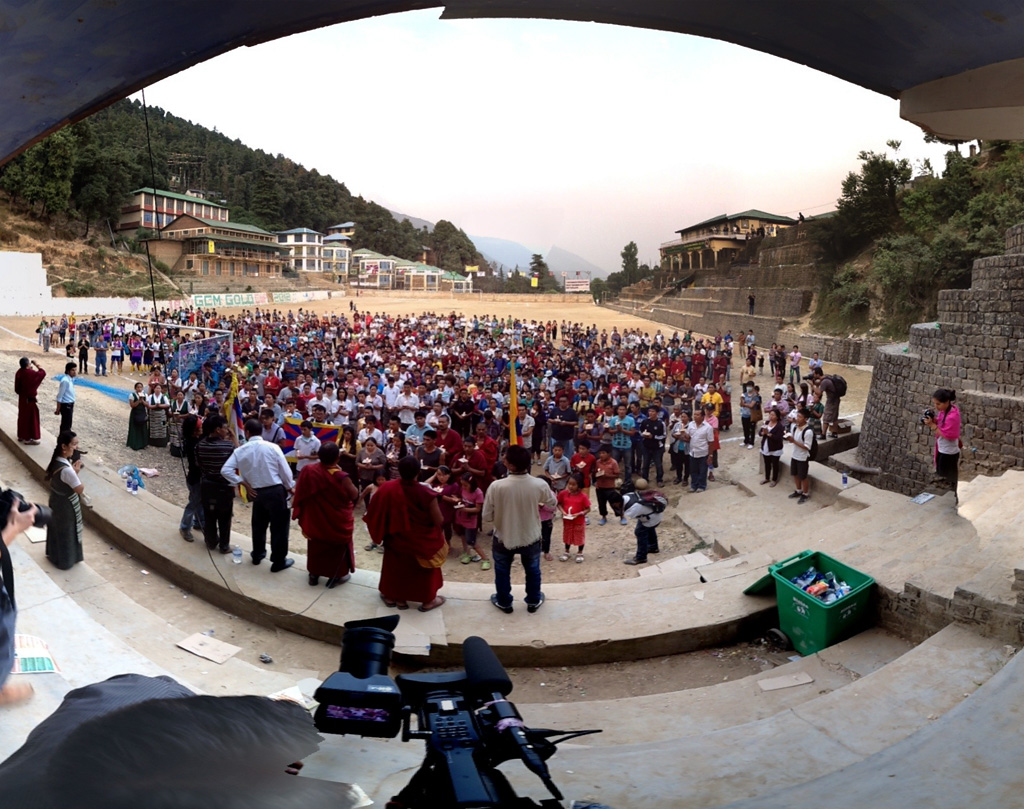
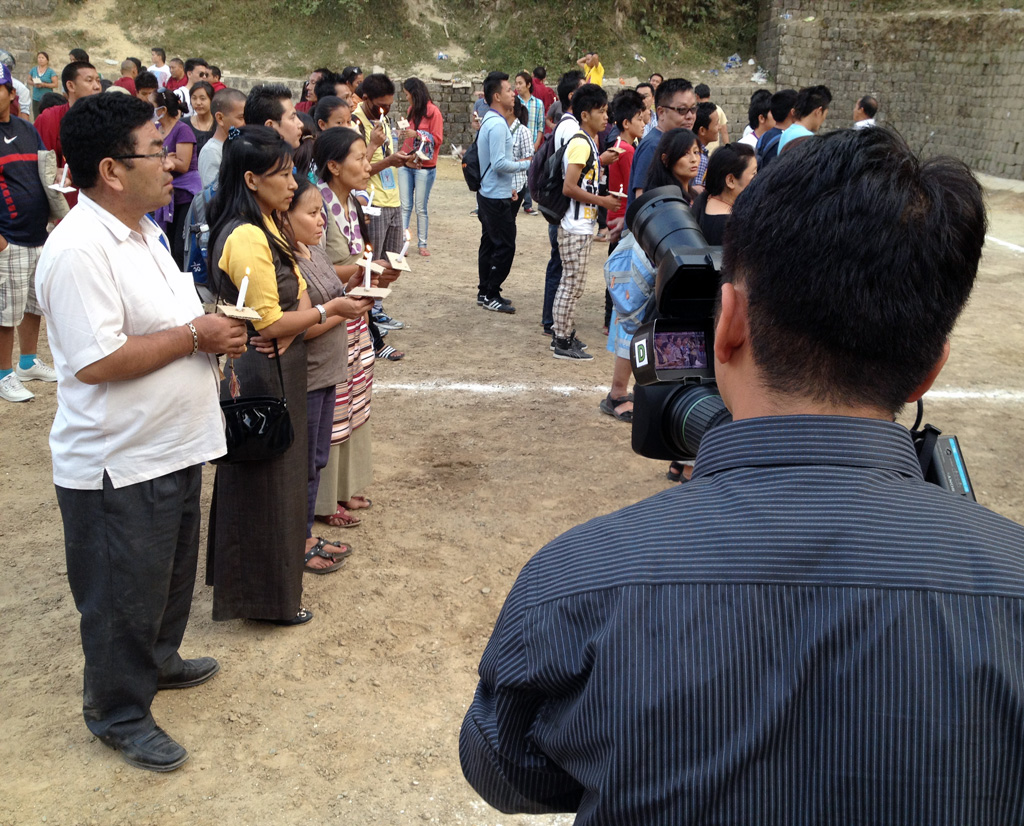
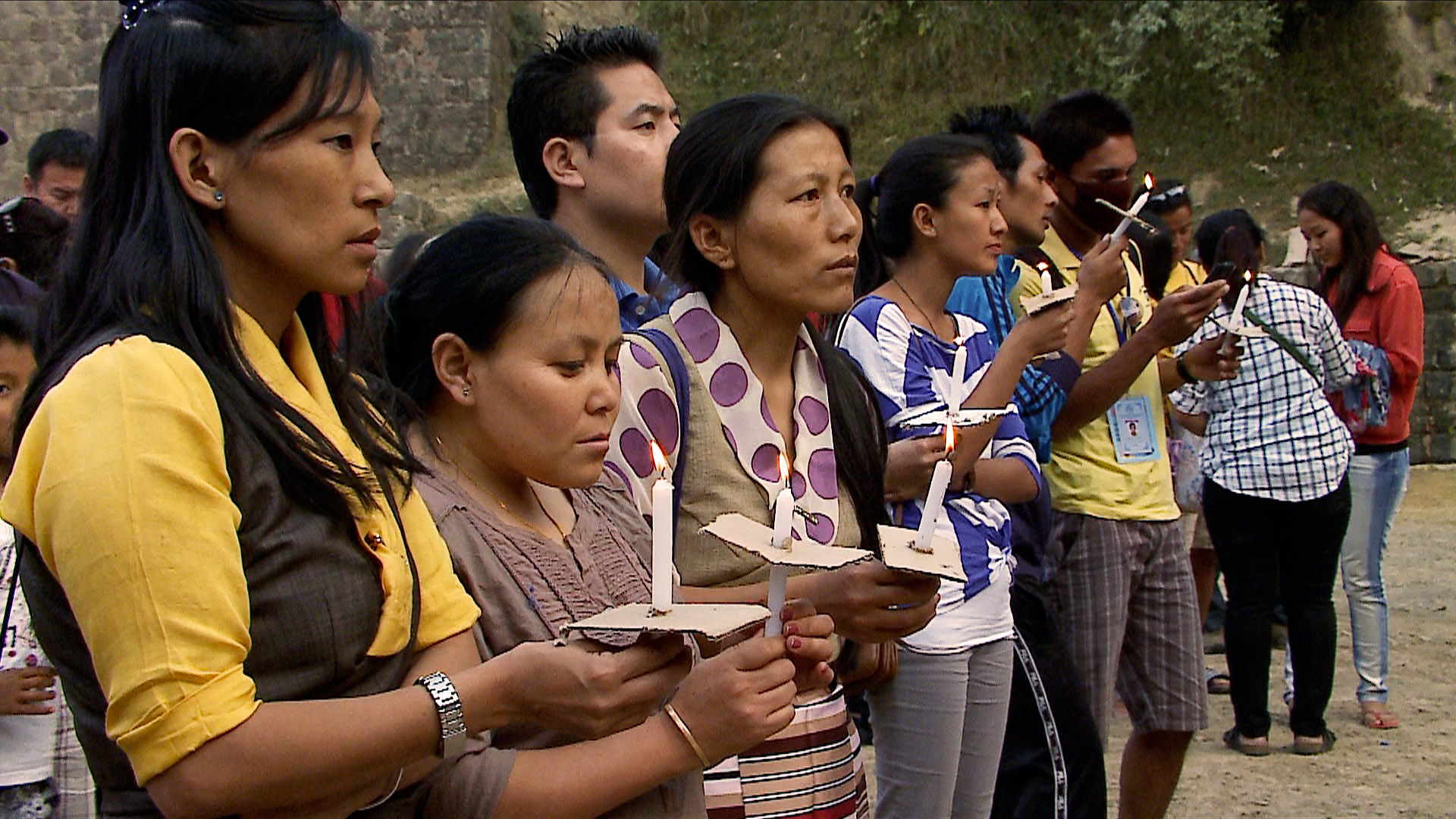
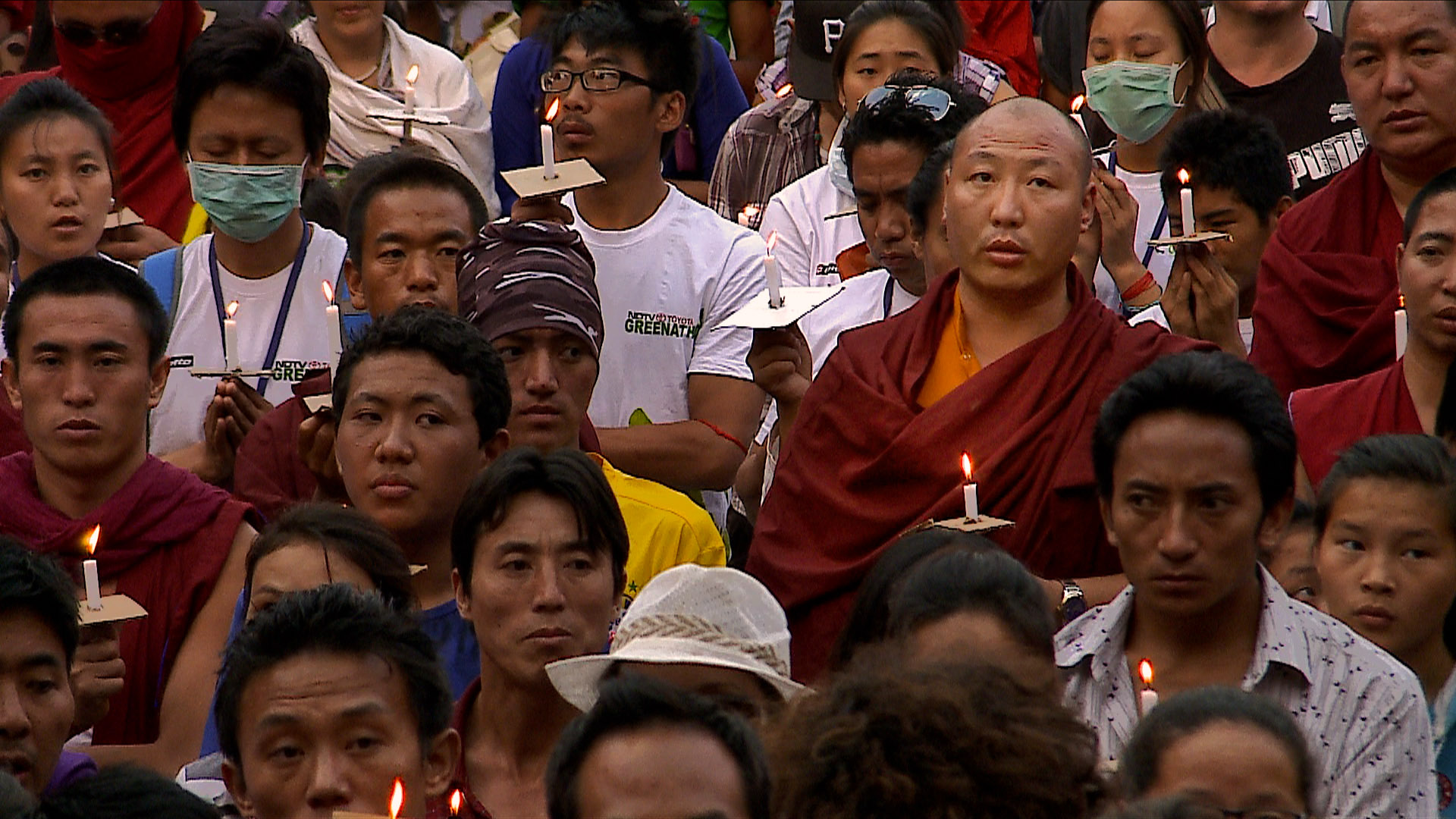
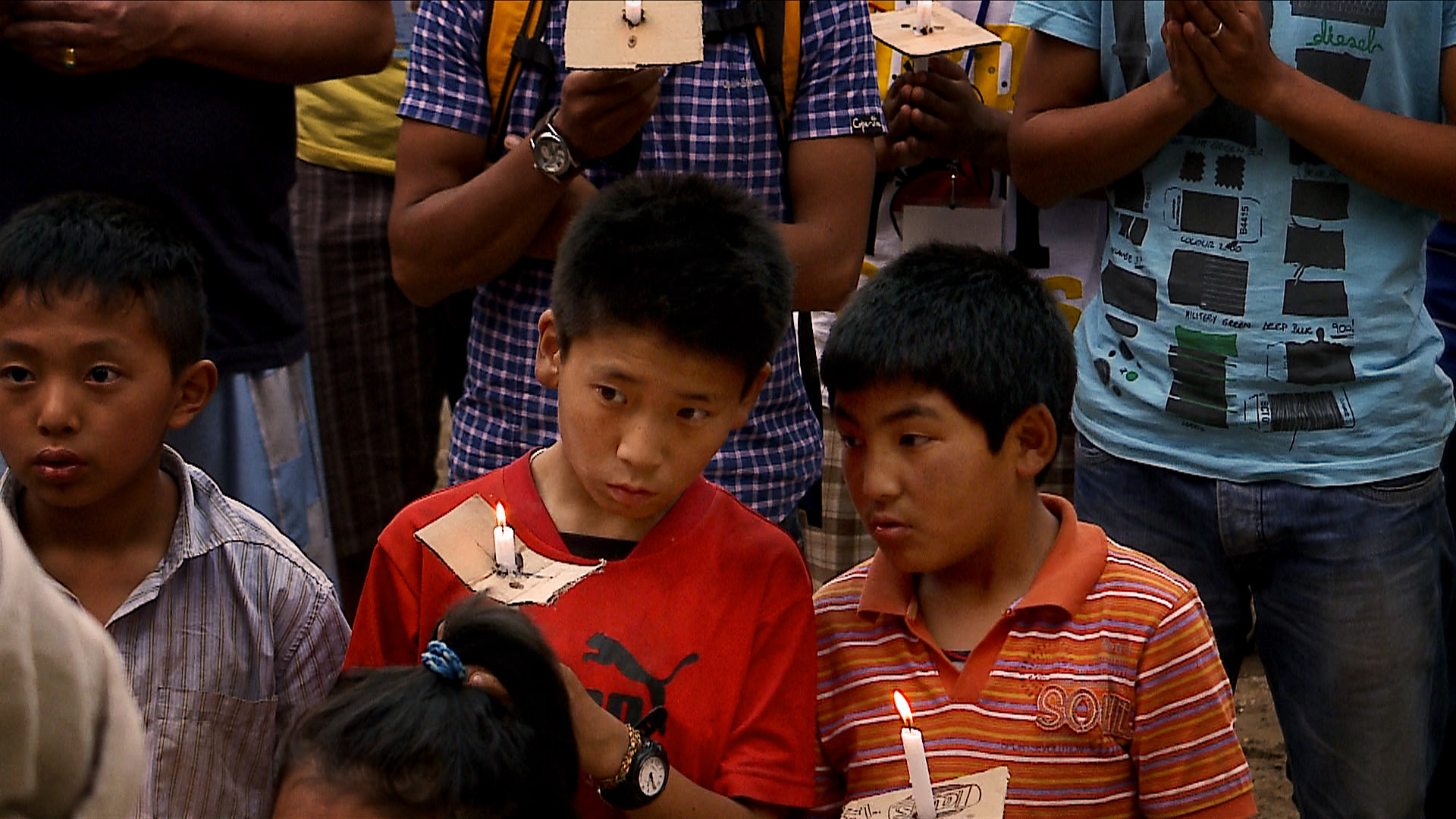
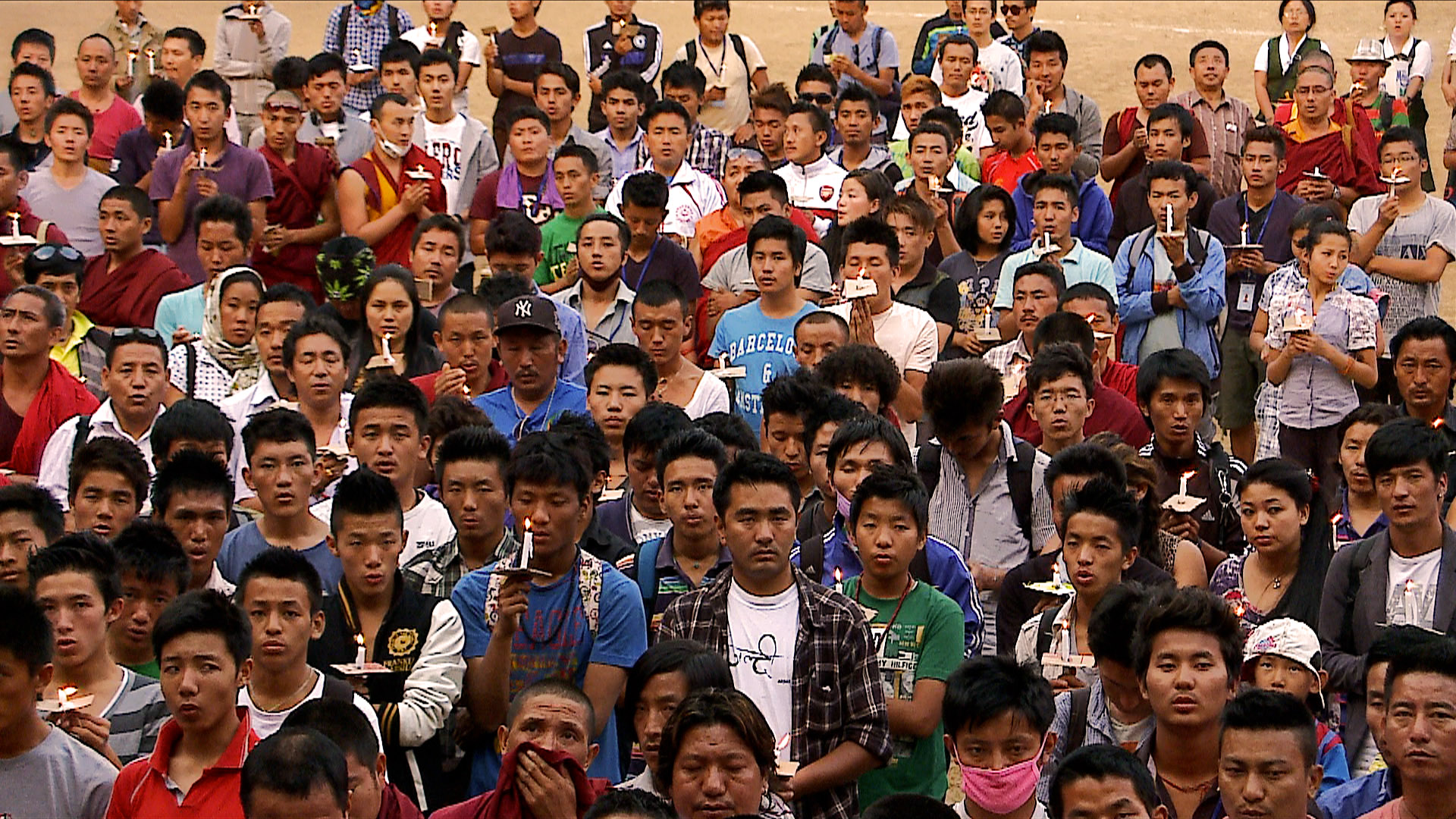
The prayers were followed by a minute of silence. There is a familiar yet unnameable power in that silence. Some people are looking down, others are crying. It’s a human silence—the sound of the world if we were no longer here. Birds still chirp, dogs still bark. I’ve read that some events (mostly in the sports world) are replacing the “minute of silence” with a “minute of applause” because silence seems too somber and clapping disturbs the fragile peace before dissenting hooligans can.
I was recently asked if I’d like to do a sound-based project in San Francisco, and if so, what would I want to do. I have a long list of sounds I’d like to create and mix together, but when it comes down to it, what I want more than anything is to get rid of sounds. I proposed, half-jokingly, a sound vacuum cleaner (ironic, given the offensive decibel levels of those appliances): a device that could clean up the inescapable racket polluting the globe.
Our destination was a ridge above Hines Creek, where Betchkal planned to assemble a station to collect a month’s worth of continuous acoustic data documenting an intangible, invisible and—increasingly—endangered resource: natural sound. Our mission was not only to trap the ephemeral but also to experience it ourselves, which at the moment was impossible for three reasons: 1) the chafing of our nylon outfits; 2) the chunking of our military-issue Bunny Boots on ice; and 3) planes.
Kim Tingley writing for the New York Times: Whisper of the Wild
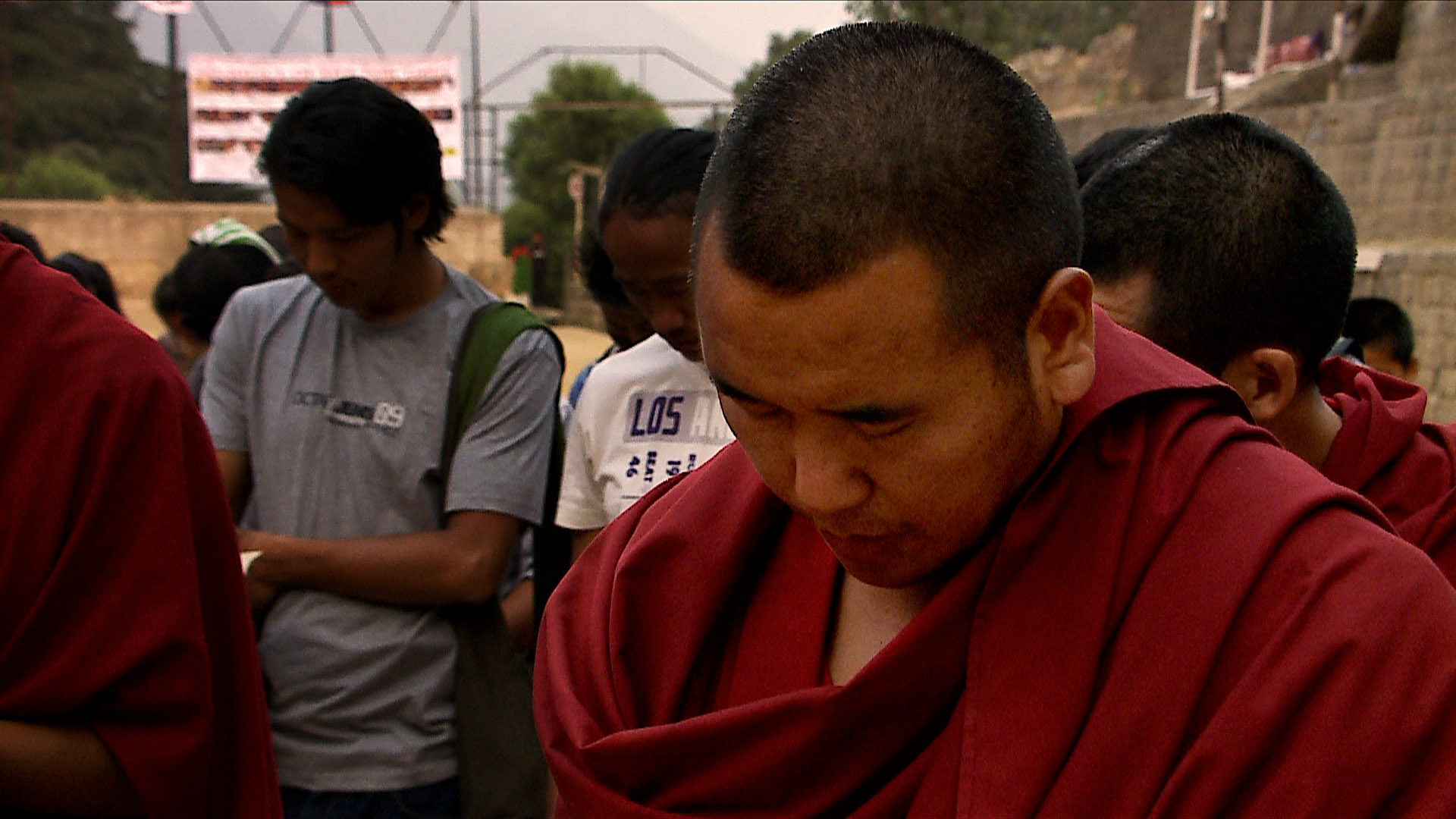
Most of the rain and thunder recordings I’ve made in India are sprinkled with car horns, motorcycle engines, and the sounds of construction. These can all be edited out, like a TV show censoring the bad words before broadcast, but that’s only in retrospect. The present is noisy. Perhaps my sensitivity comes from a childhood with parents who couldn’t hear without technological intervention; loud environments limited communication and were physically draining (I’m still puzzled by people who enjoy shouting conversations in bars—it’s as though I lack the sonic immunity to survive in that world).
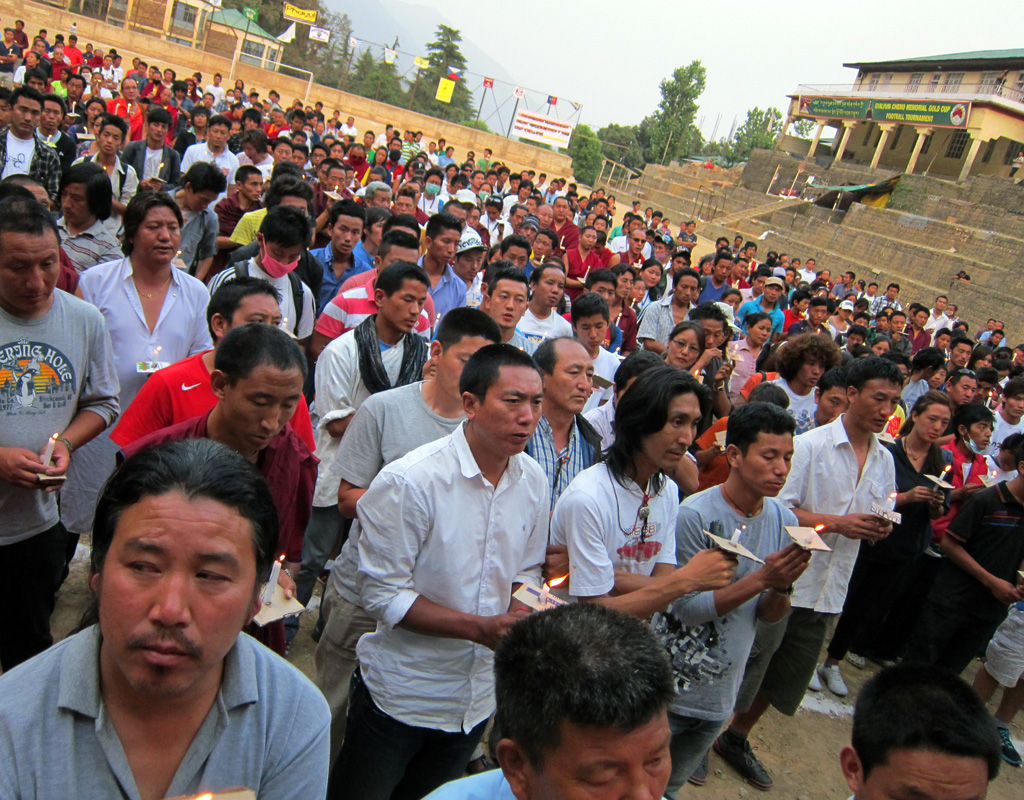
On the other hand, an absence of all sound, like the absence of air, can be claustrophobic, even terrifying. Maybe that’s why horror movies make better use of silence than, say, romantic comedies or Bollywood films.
In order to achieve that silence I actually had the sound-guys use white leader tape rather than blank magnetic tape so that when the track went quiet, there was nothing on it whatsoever.
William Friedkin discussing sound design on The Exorcist—The Sound of Silence
Speaking of movies, Lobsang started making short documentaries last year, and he asked me for inspirational recommendations. I suggested Into Great Silence. Of course, I thought, he’s a monk and will love this movie about a Roman Catholic monastery in the French Alps. The film is not silent, but there is very little talking and the pace is slow. He found it boring. “Tibetans are loud and not so serious,” he laughed. I understood—I found it boring too, though I make a distinction between “dull which leads to viewer resentment” and “challenging which leads to a radical and positive transformation.” Sometimes, you want your money back when it’s over. Other times, you fantasize about asking for your money back the whole time, and then you’re glad you paid for it when it ends.
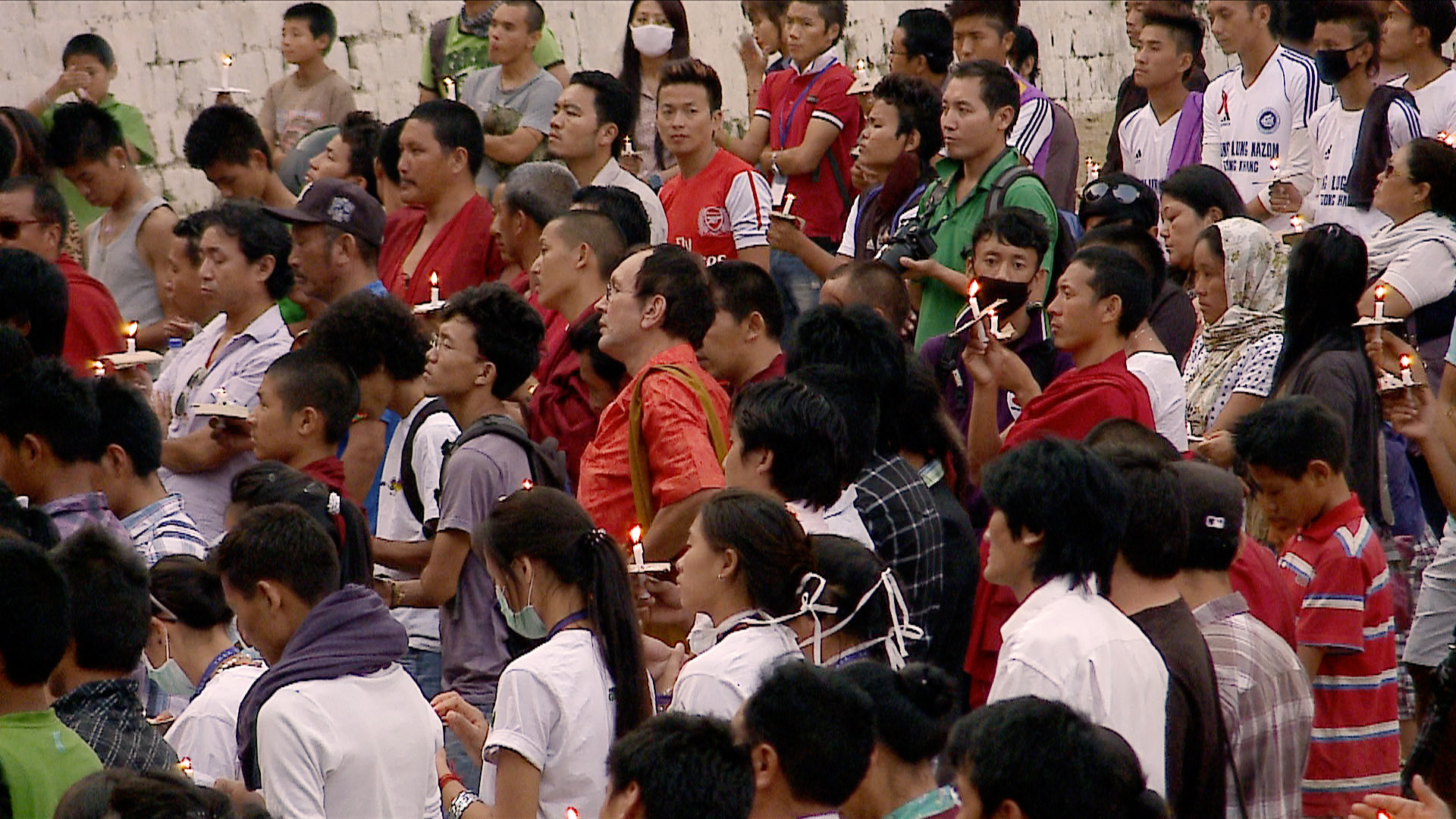
Finally, the modern world of microphones and amplifiers thundered back to life and the silence was broken.
That’s what happened yesterday inside Tibet. That’s why we Tibetans here in Dharamsala are gathered here to show our solidarity. Thank you.
[in Tibetan]
Bod Gyalo! Bod Gyalo! Bod Gyalo! [Victory to Tibet! Victory to Tibet! Victory to Tibet!]
We joined two local Indian journalists for the ride back home. Six of us, plus all our camera gear, squeezed into a car the size of a Volkswagen Rabbit. Bony hips poked into ribs, heads slammed the roof. A long train of people, many still carrying candles from the vigil, walked along the darkening road to McLeod.