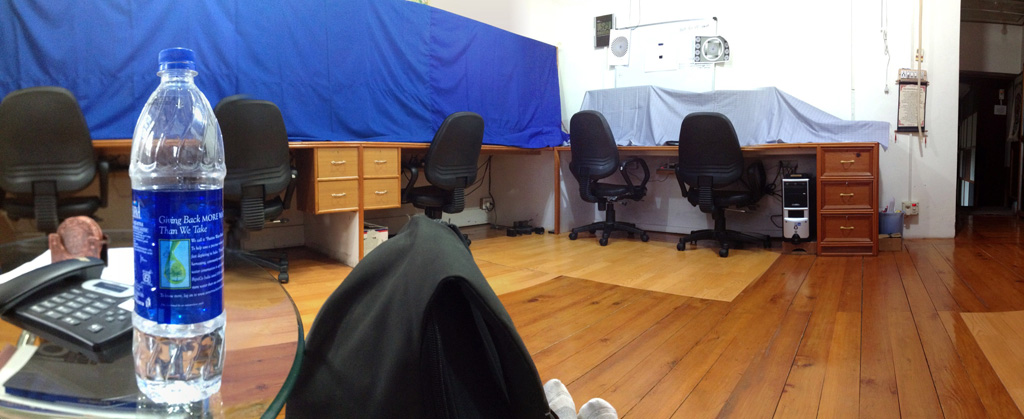
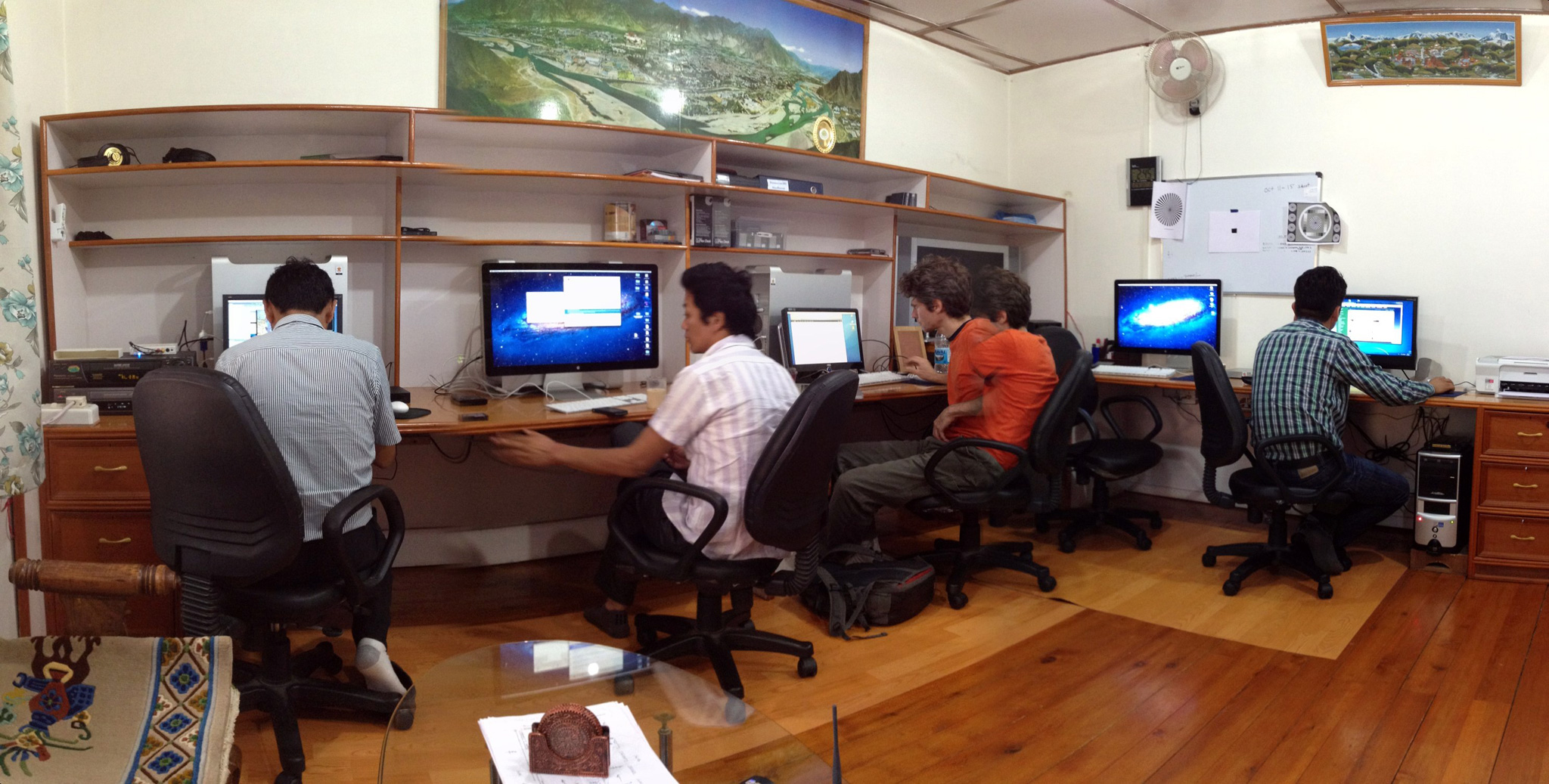
The Namgyal Archive database is “massively retroactive,” which means a lot of data entry and structural design is happening in parallel. It’s like building a hotel and checking in the guests simultaneously, or designing the bridge as you’re crossing it.
After sweating the details for a couple of weeks, my conclusion is the same as always: life is short and this database need not describe each speck of dust gathered at Namgyal Archive over the years. Its design today cannot account for every possible future scenario. What it should do is act as a catalyst around which Archive efforts can coalesce, bringing out the inner librarian (however small) in each person on the staff. The shelves of physical media need to be tamed; starting somewhere has become more important than identifying where to start.
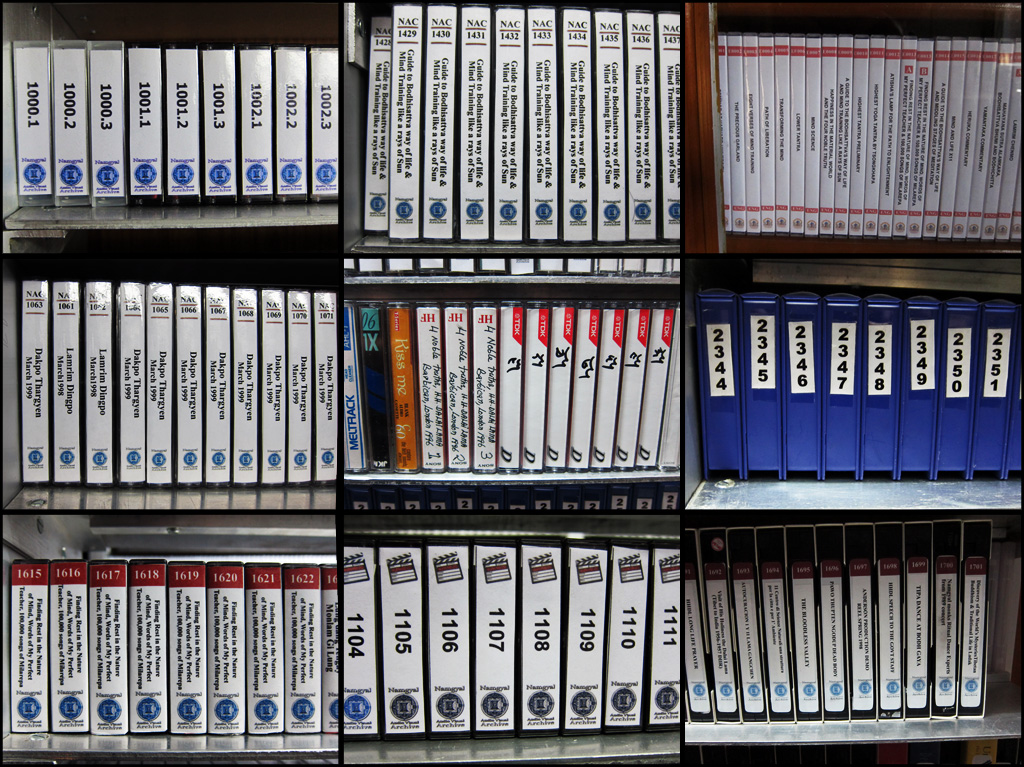
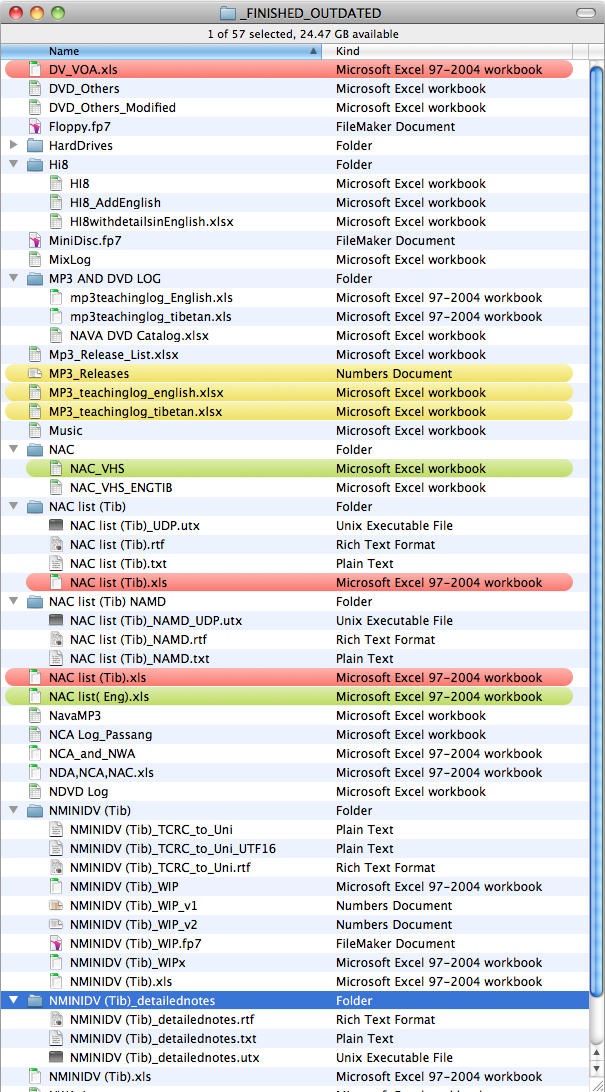
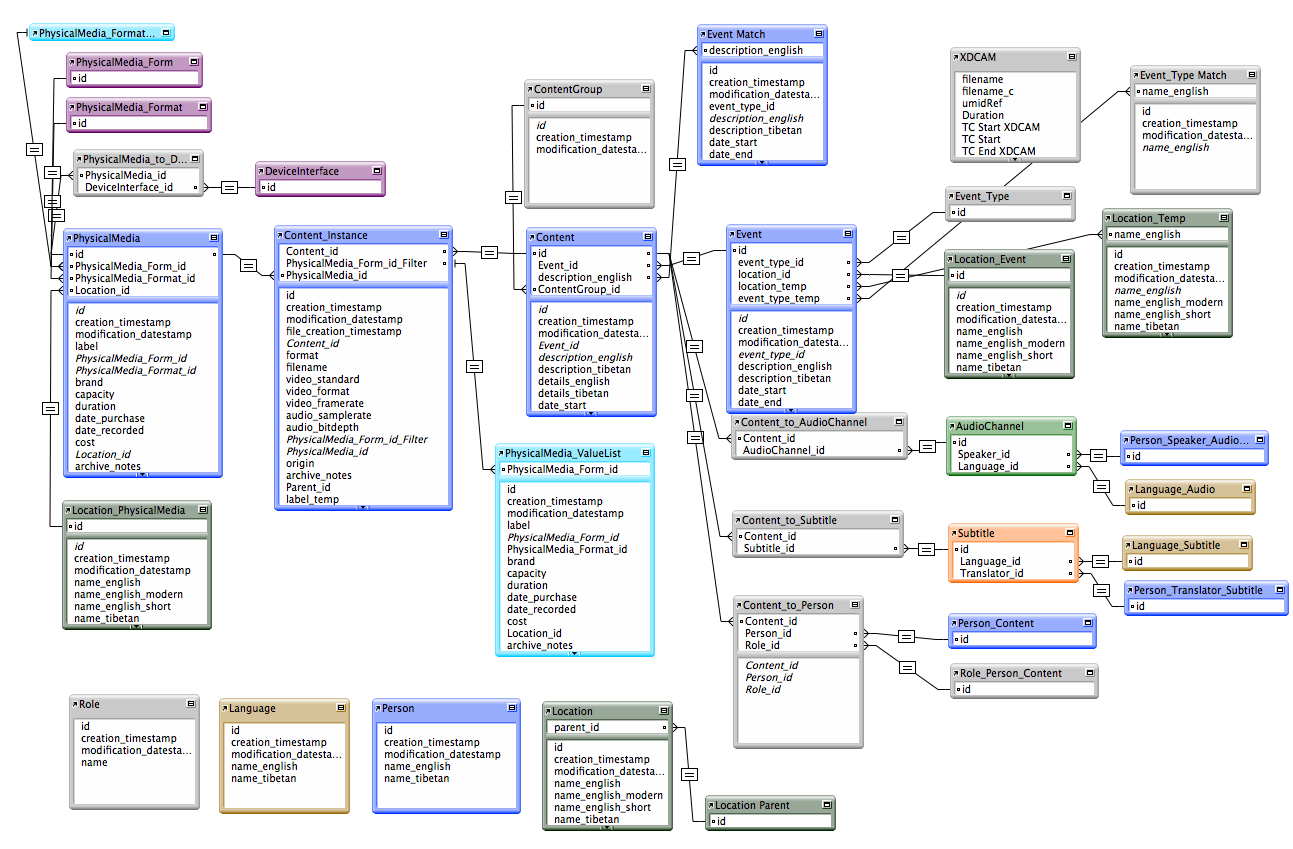
I’ve got to explain the structure so that it makes sense once I’m gone. This is the hardest thing to do, especially because the database is still evolving. Everyone is trying. It feels like finally deciding to clean the dishes after a decade of throwing them in the sink.
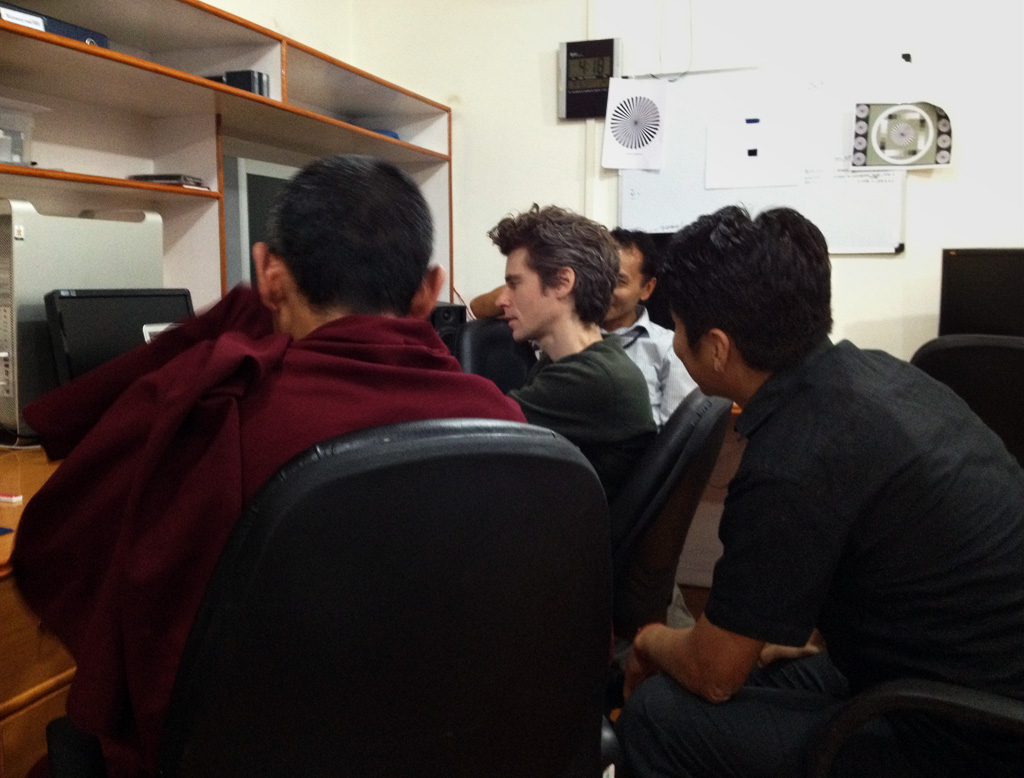
There is another plan brewing: digitize and compress every item such that a complete (albeit low-quality) version of the Archive can fit on a single drive. This will provide more immediate access to the content, making it easier to annotate, leading to more detailed search results. To do this, we need software that works fast (4000 hours of footage at 1:1 compression time would require almost two years if we assume normal working hours). Early tests between Compressor 3, Handbrake, and Adobe Media Encoder unfortunately rank Apple software last for the job. Maybe Compressor 4 is faster—that’s a test we hope to make this fall.
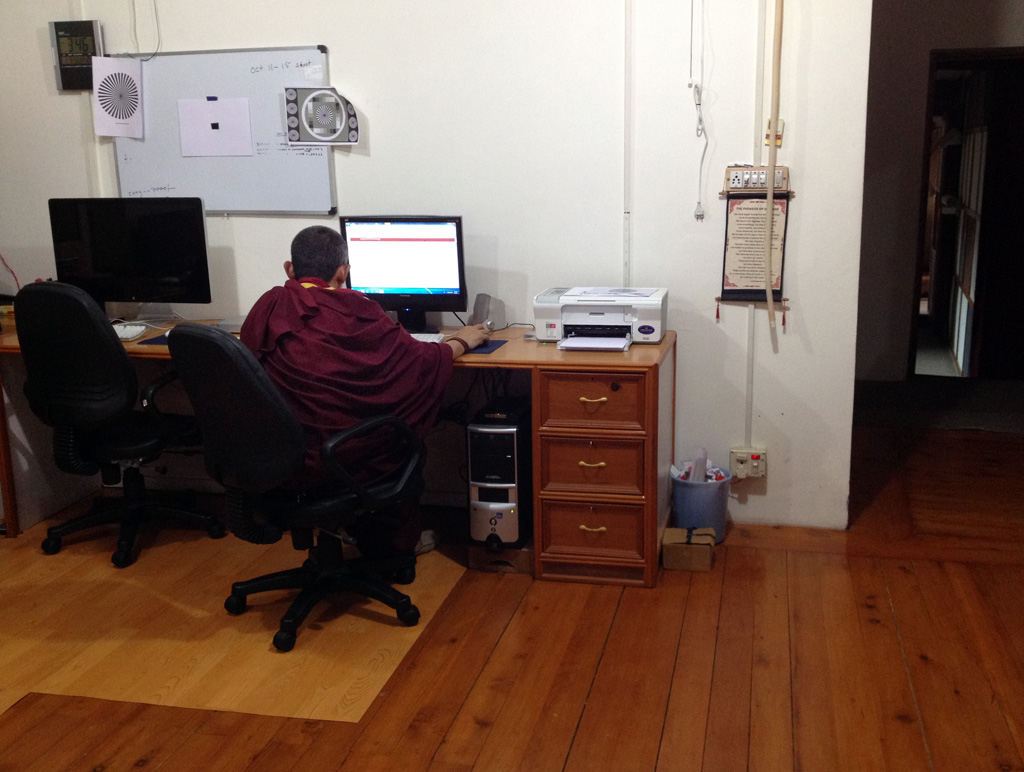
I try to remind everyone—myself included—that a good Archive is active in the present while considerate of the future. The Archive will be still be here when we’re all gone.