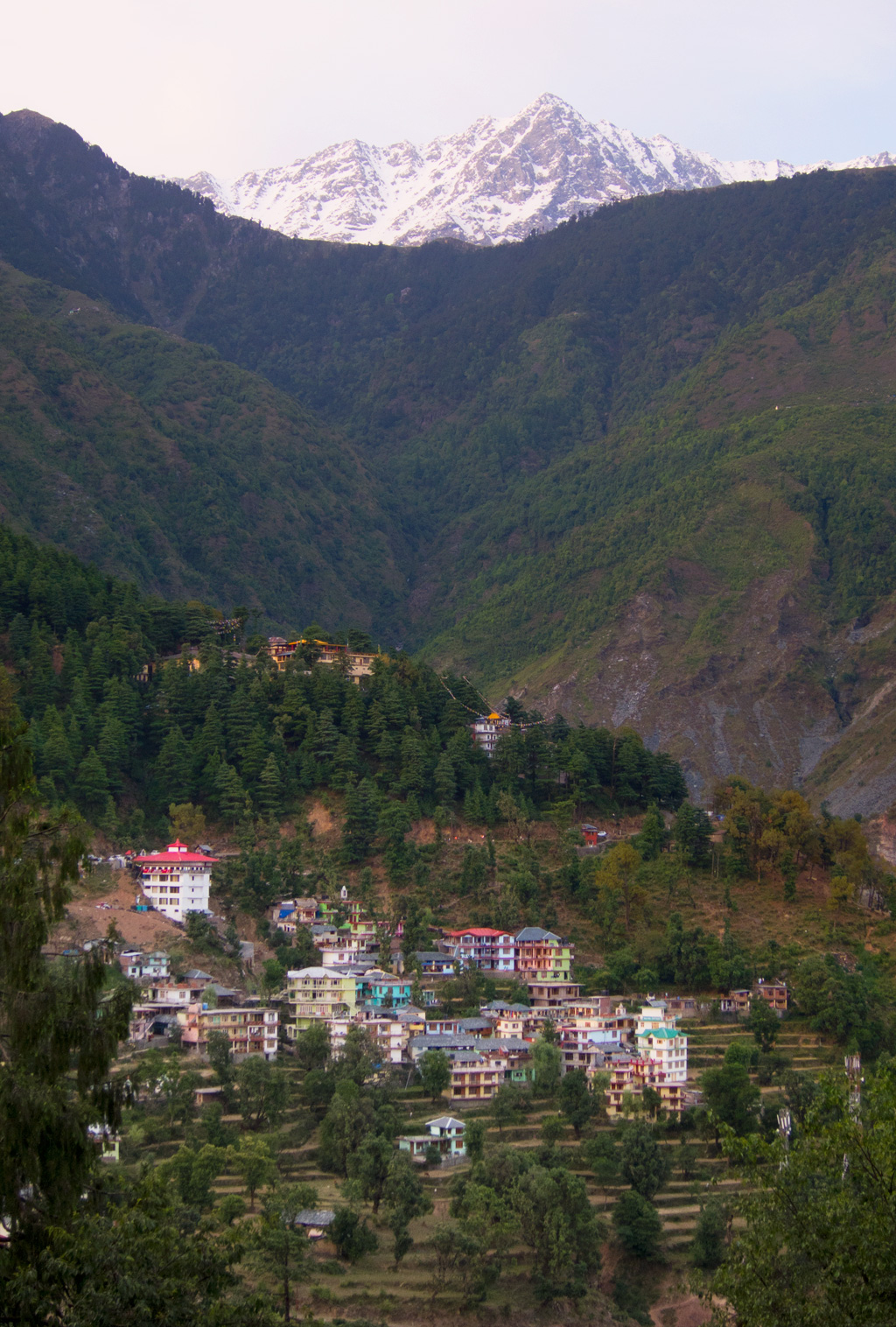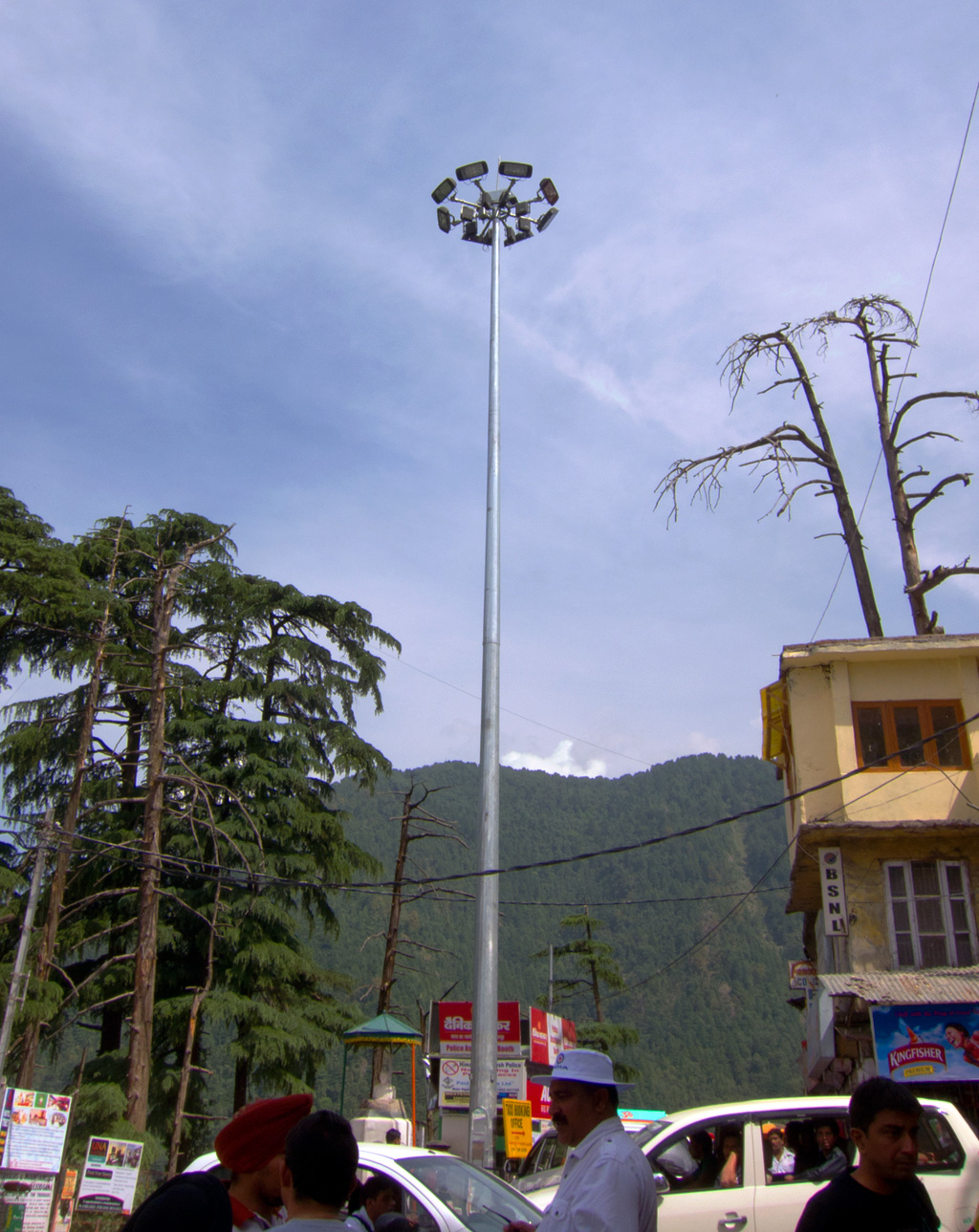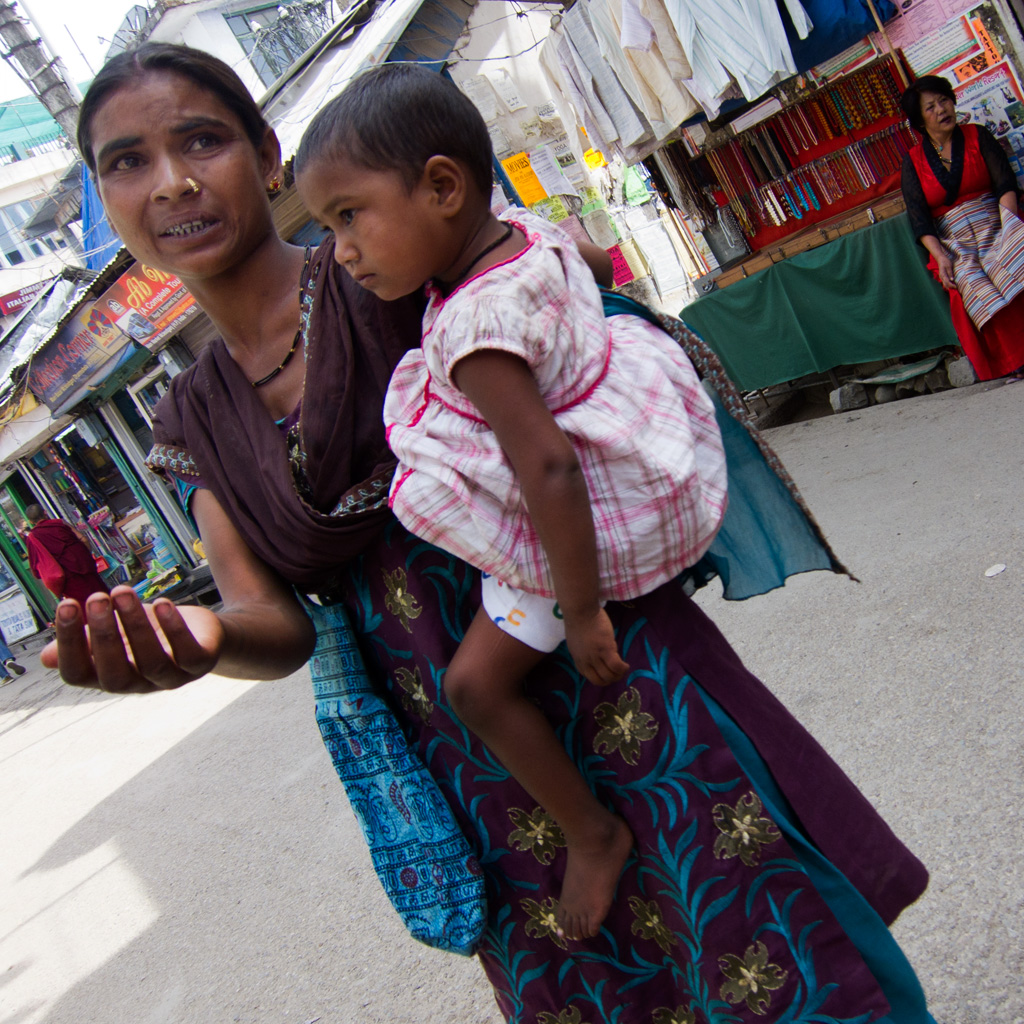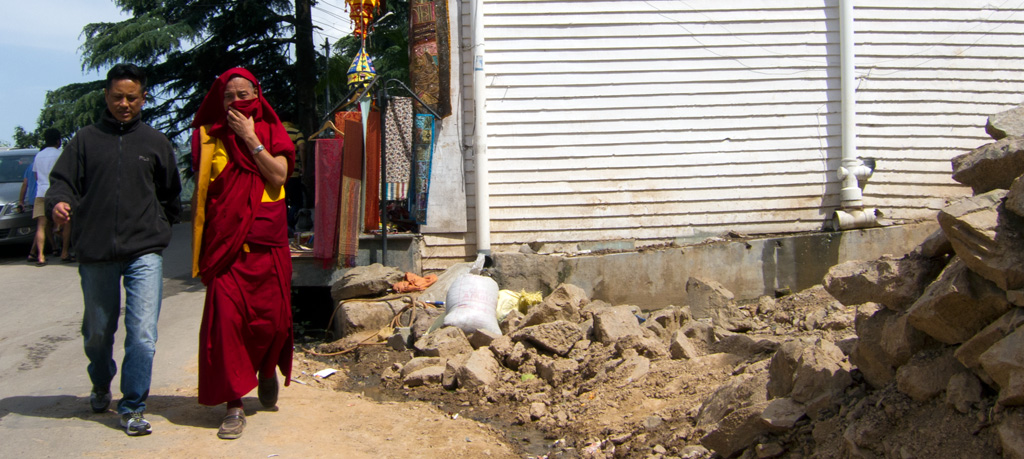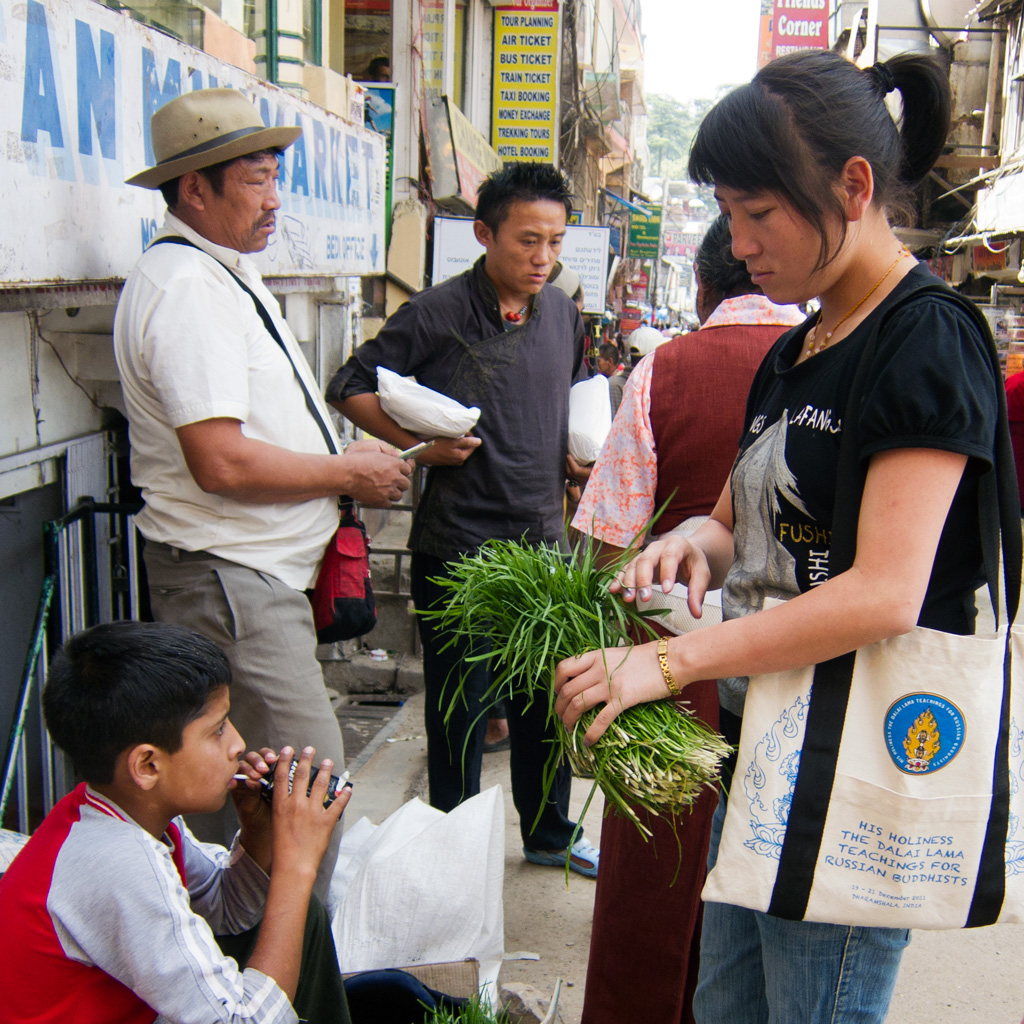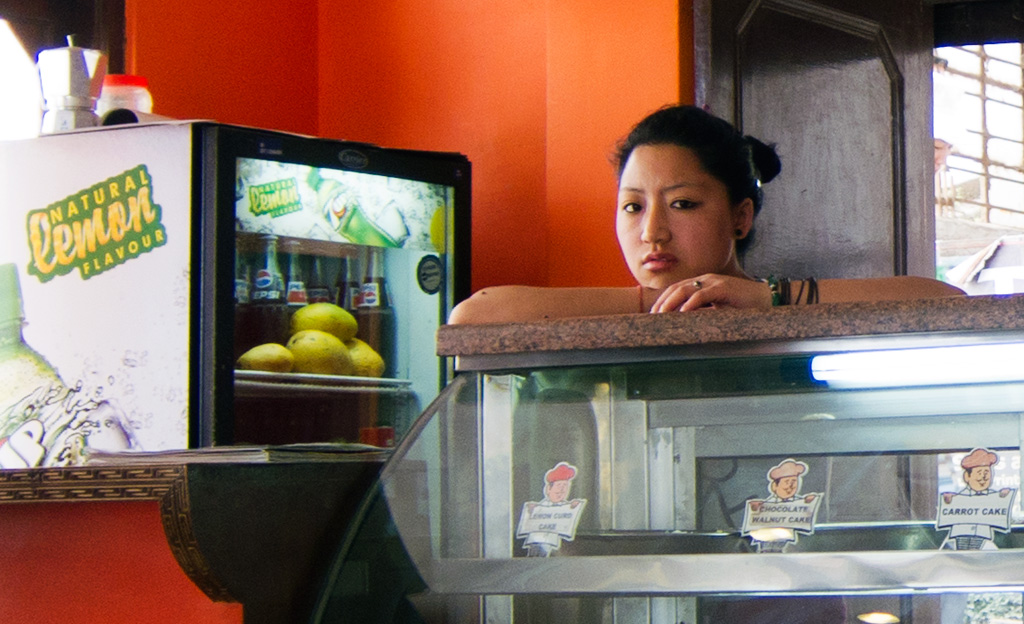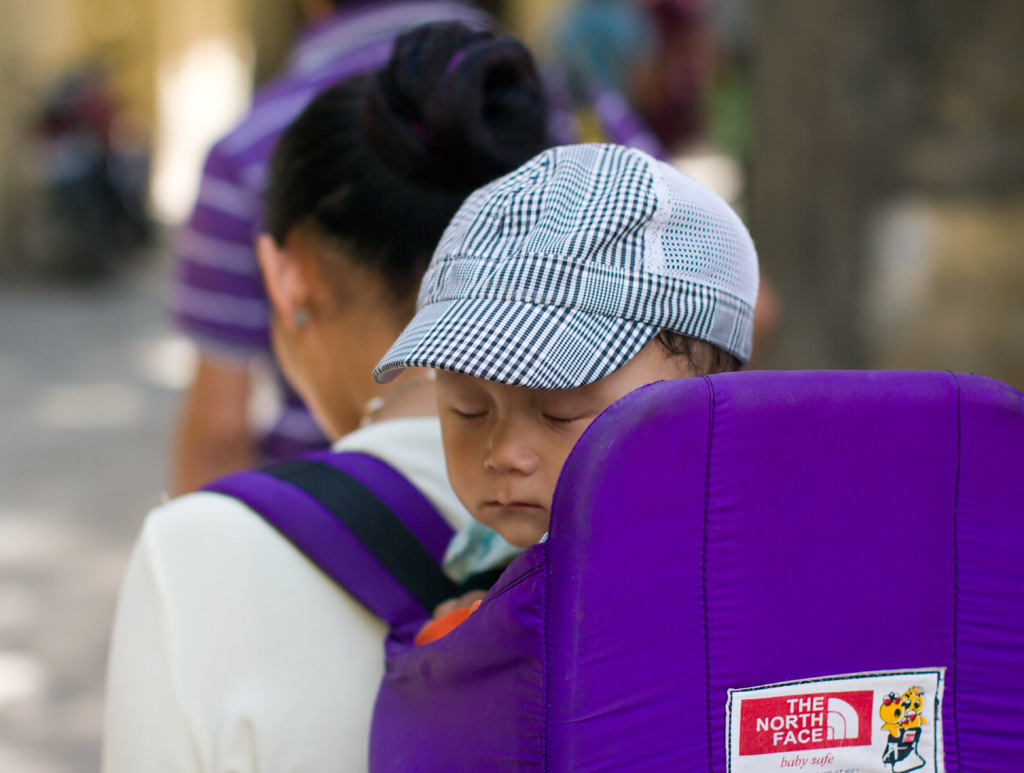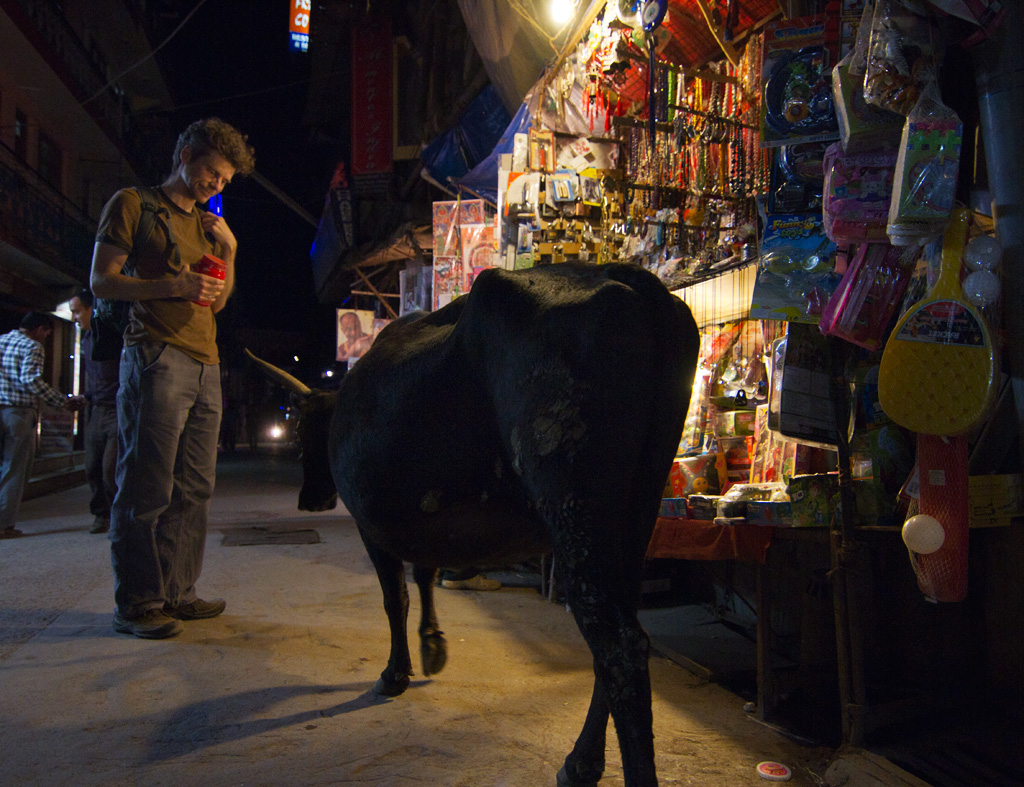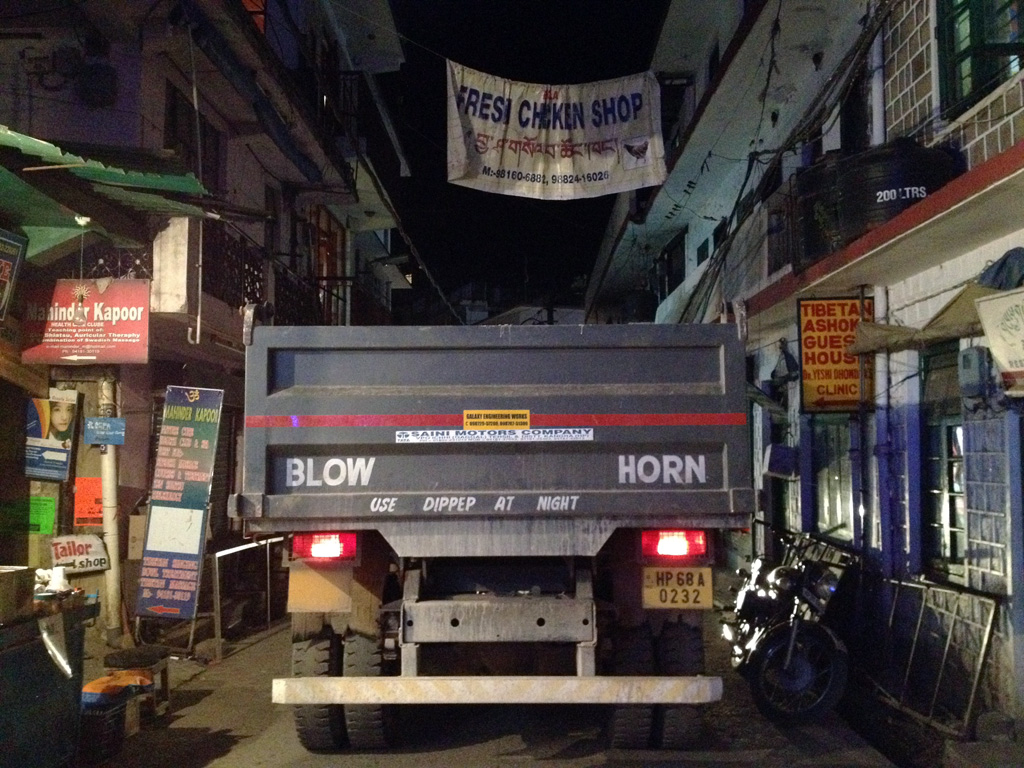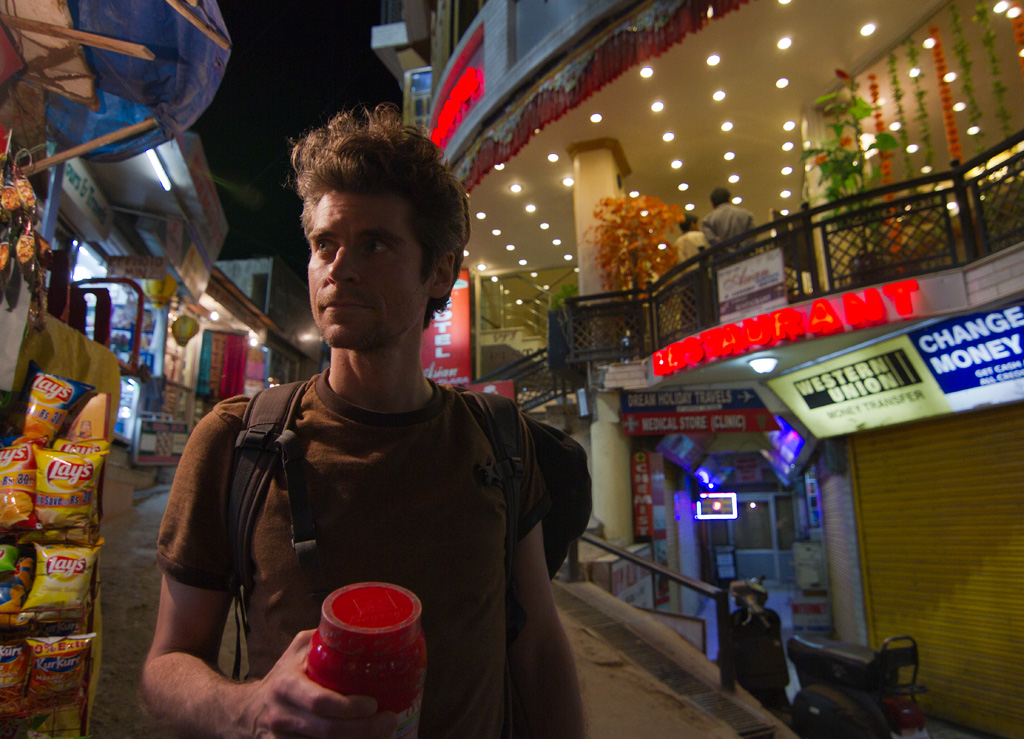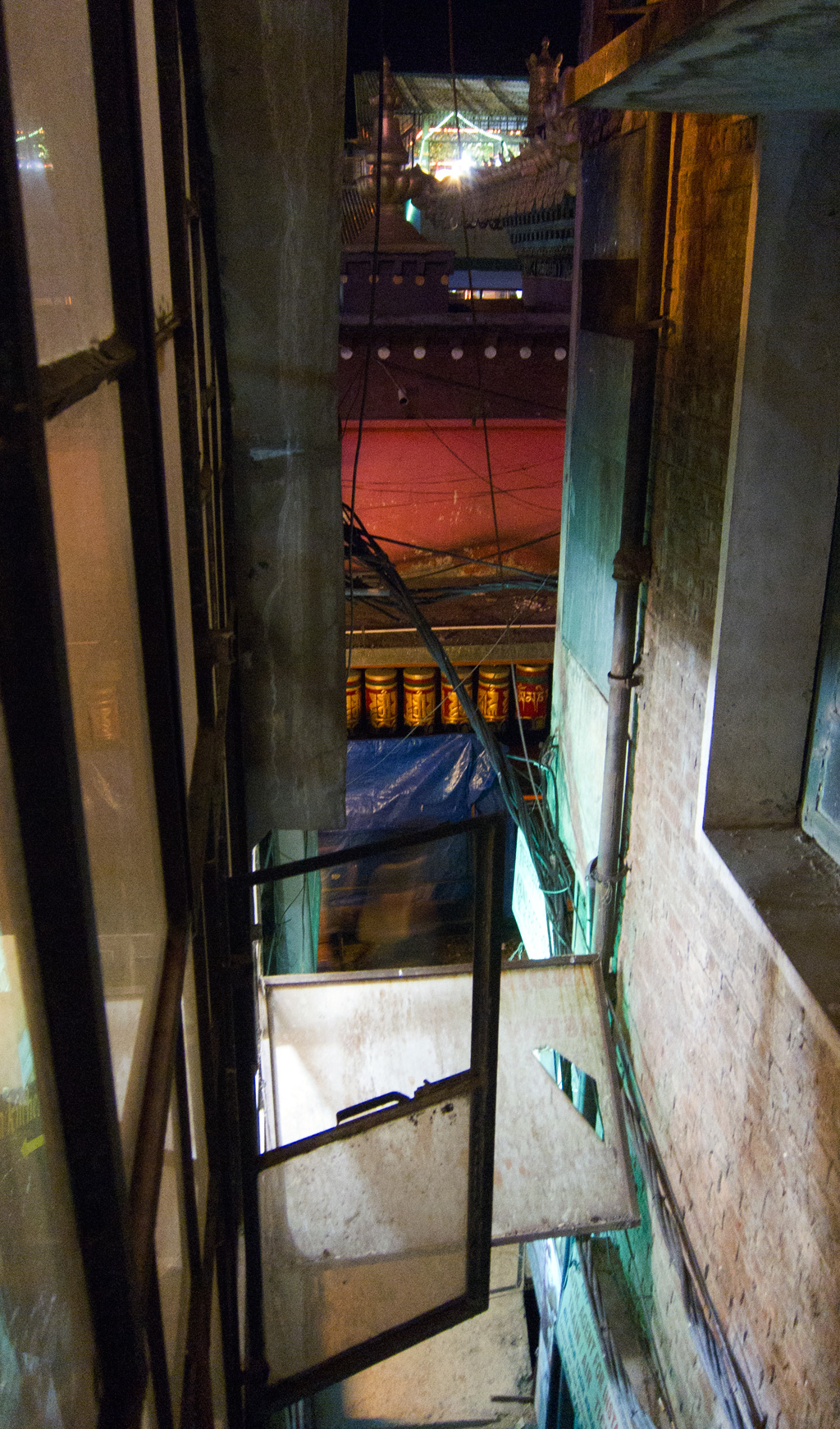
McLeod Ganj (Lobsang calls it “mini New York”) is bursting at the seams. The nearby villages Bhagsu Nag and Dharamkot have attracted Indian and Israeli tourists, respectively, for years, especially in summer when the temperature gets above 45 (Celsius) in Delhi. It’s also the heart of the Tibetan exile community. And there’s a new cricket stadium in Lower Dharamshala, drawing even more Indians to the area.
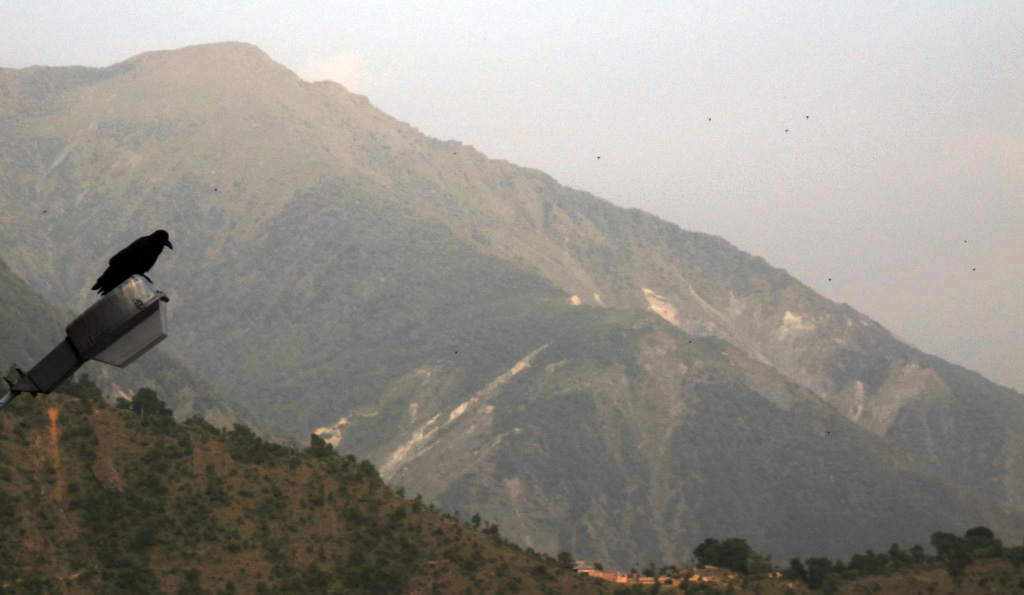
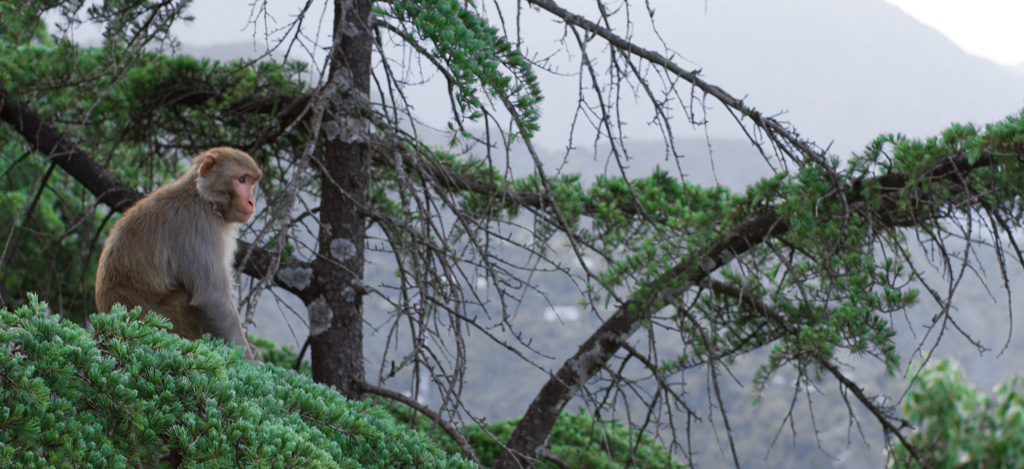
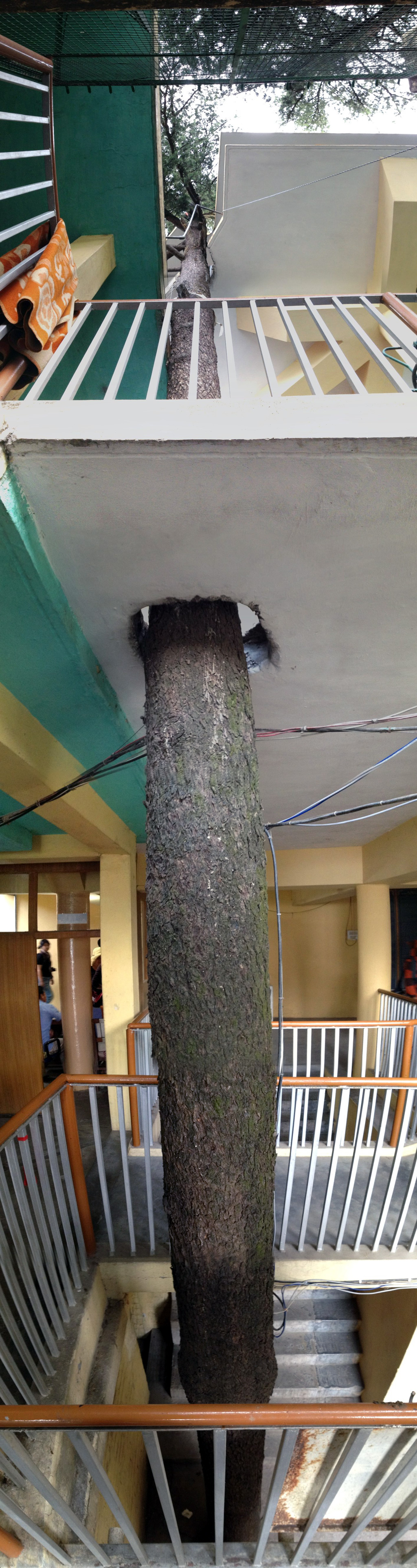
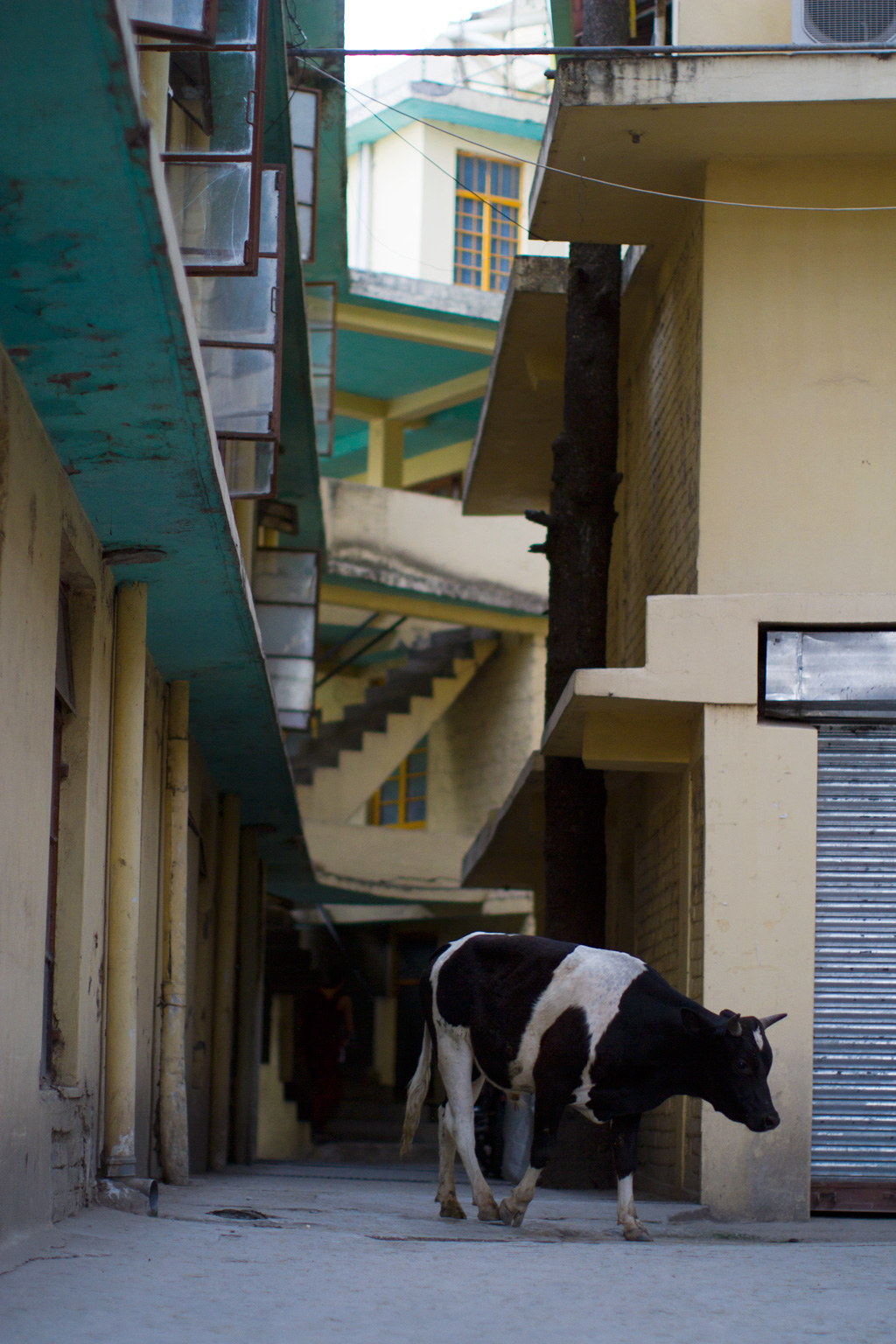
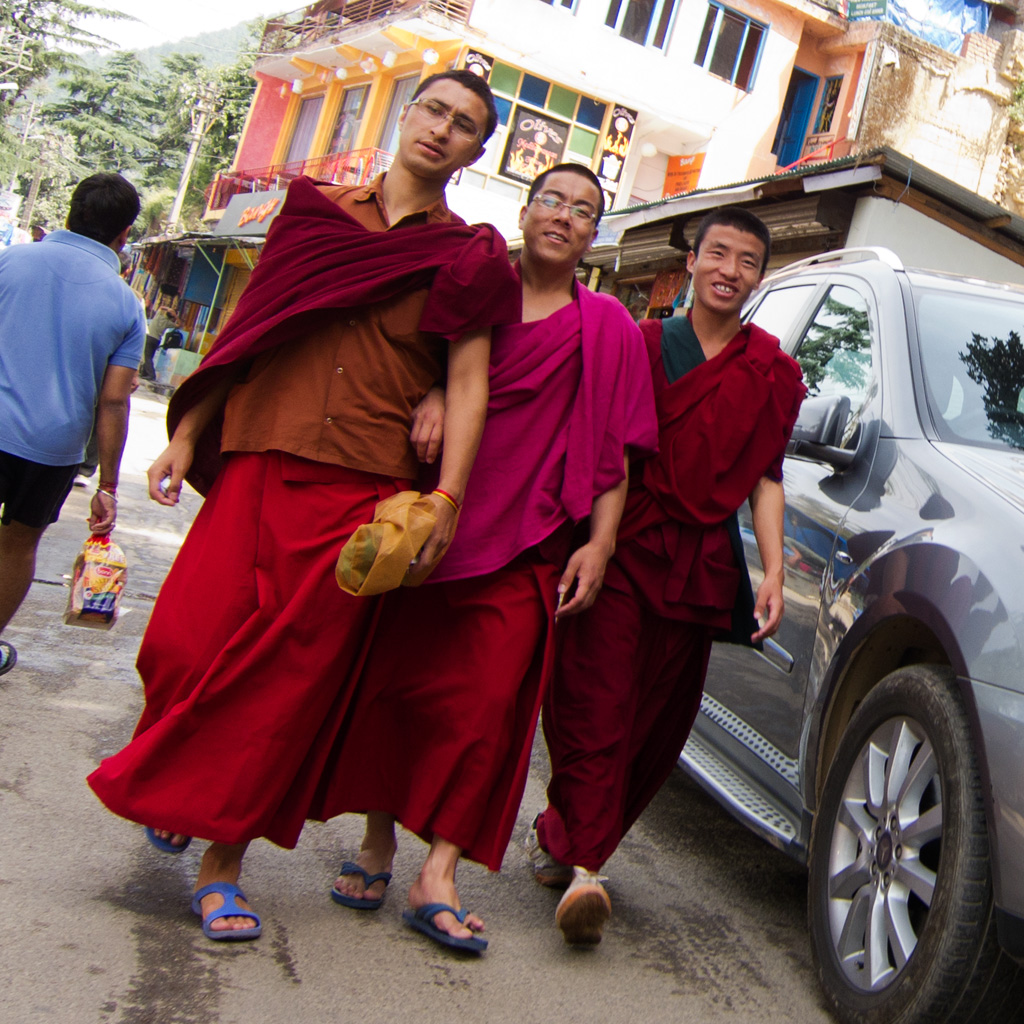
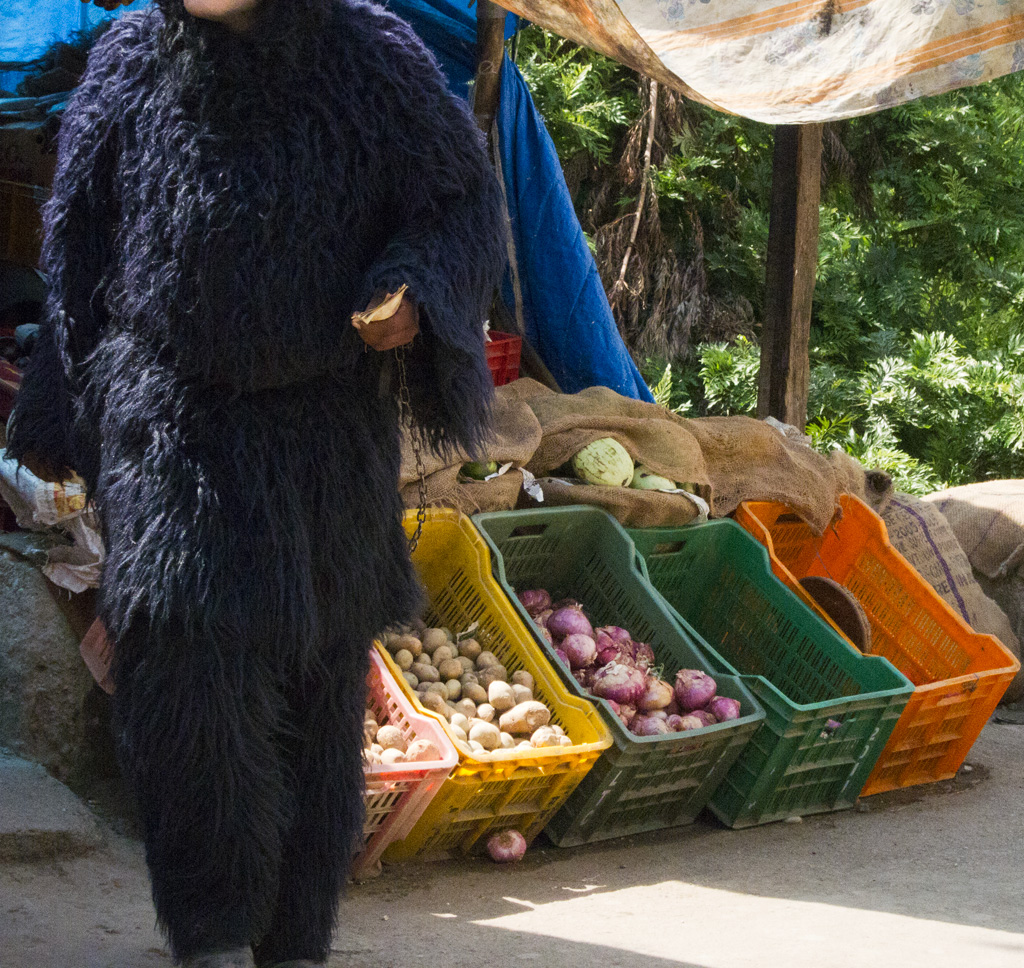
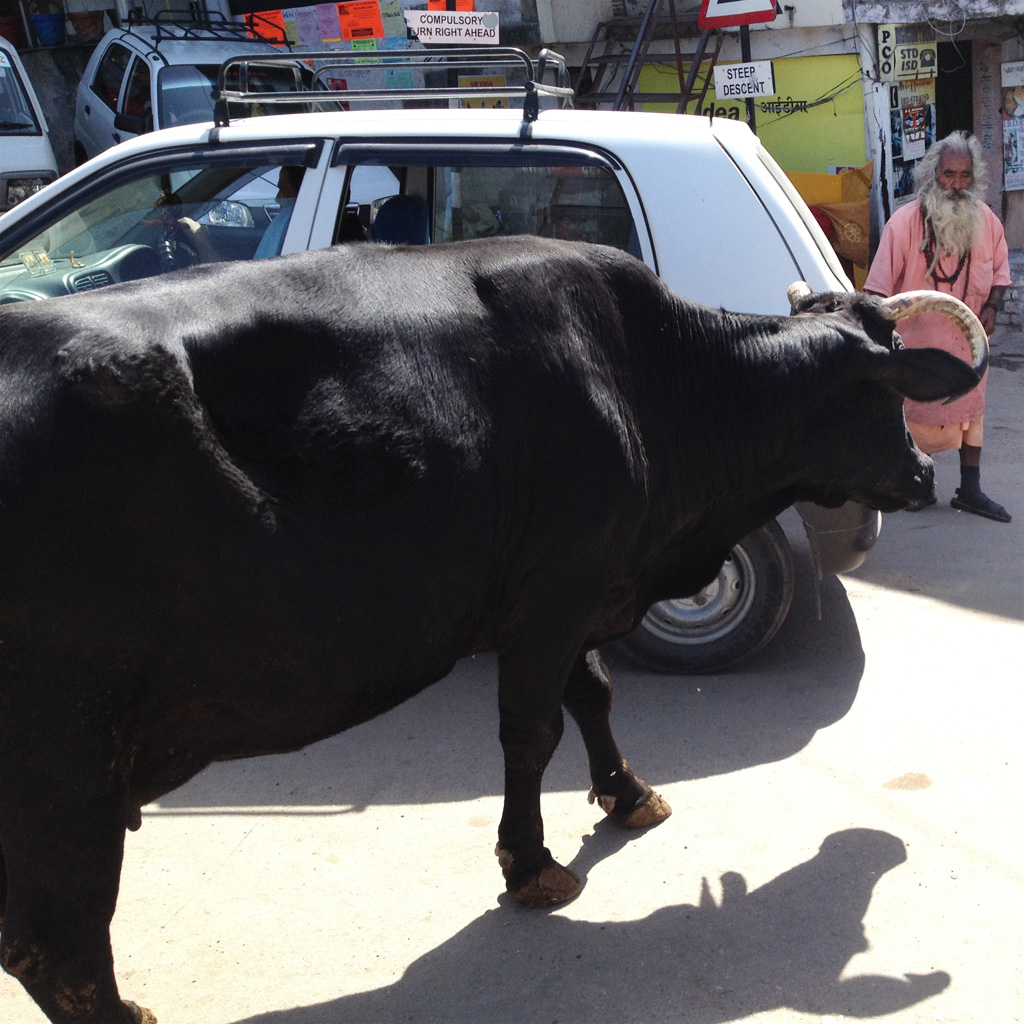
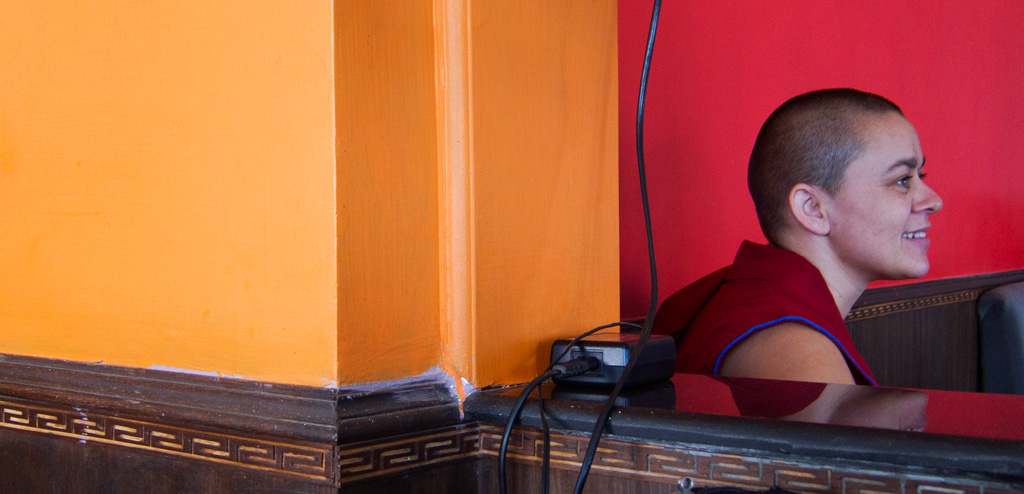
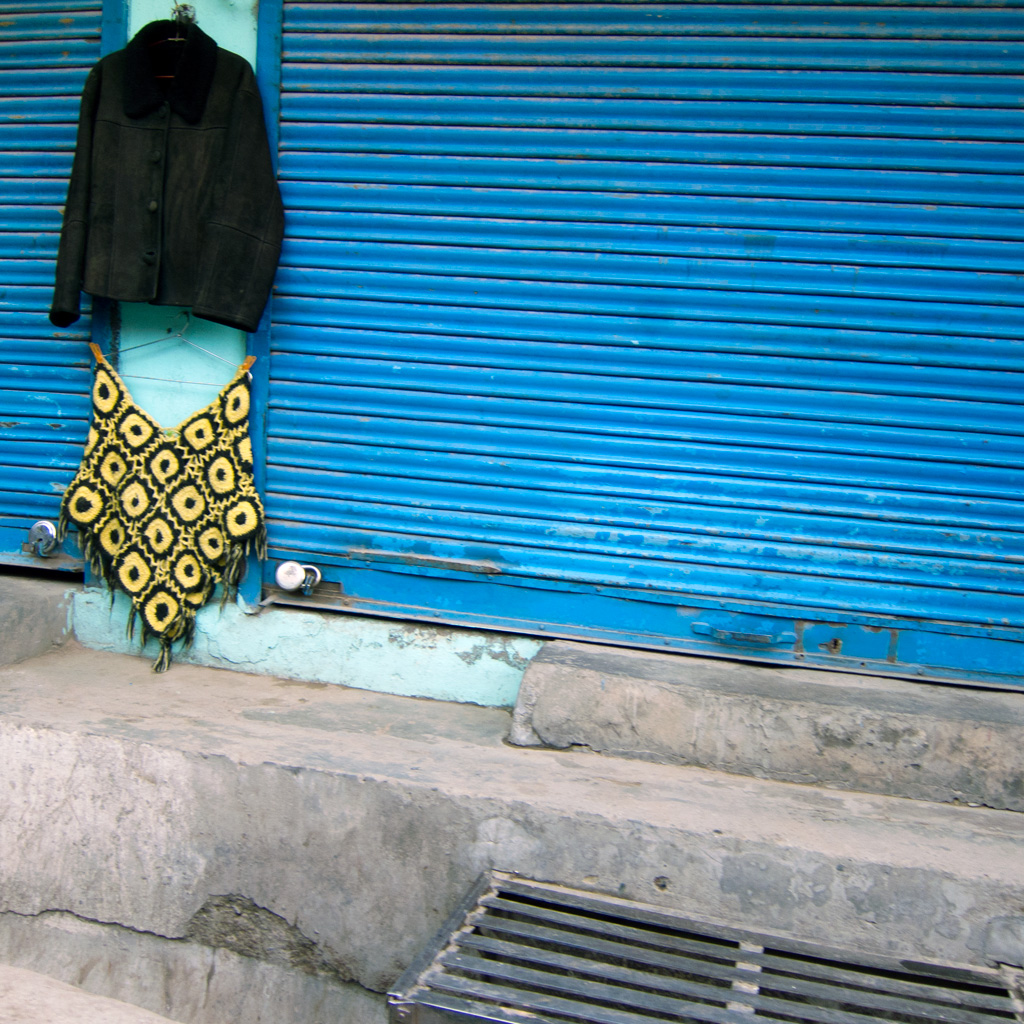
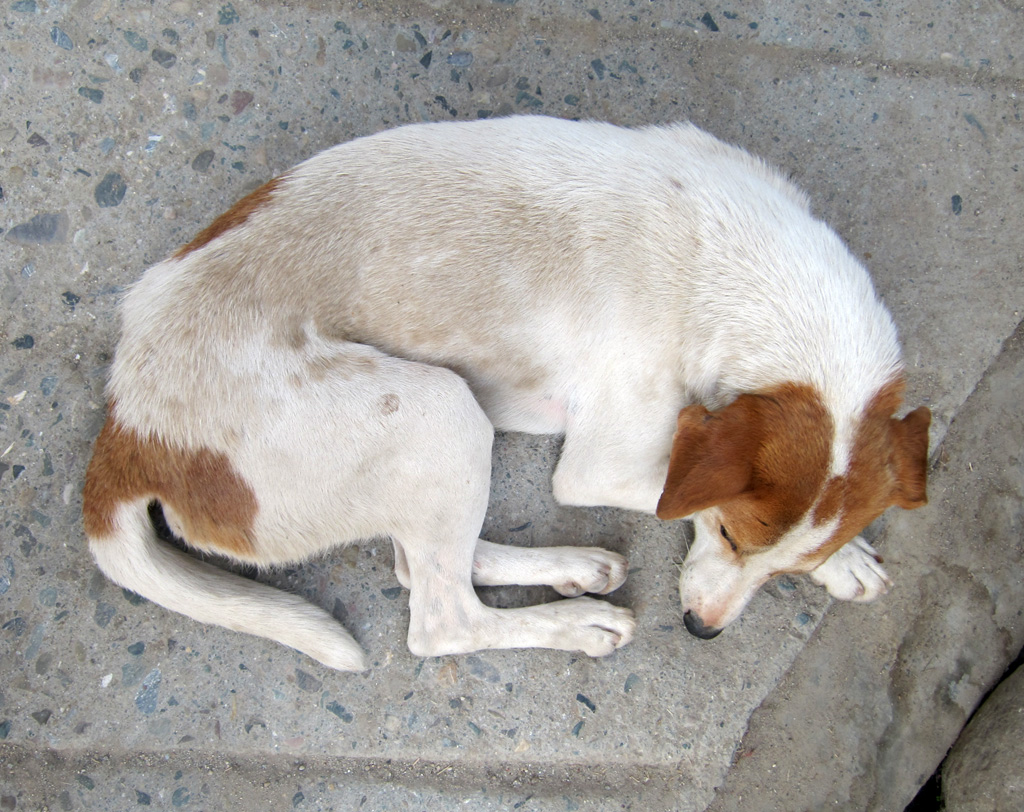
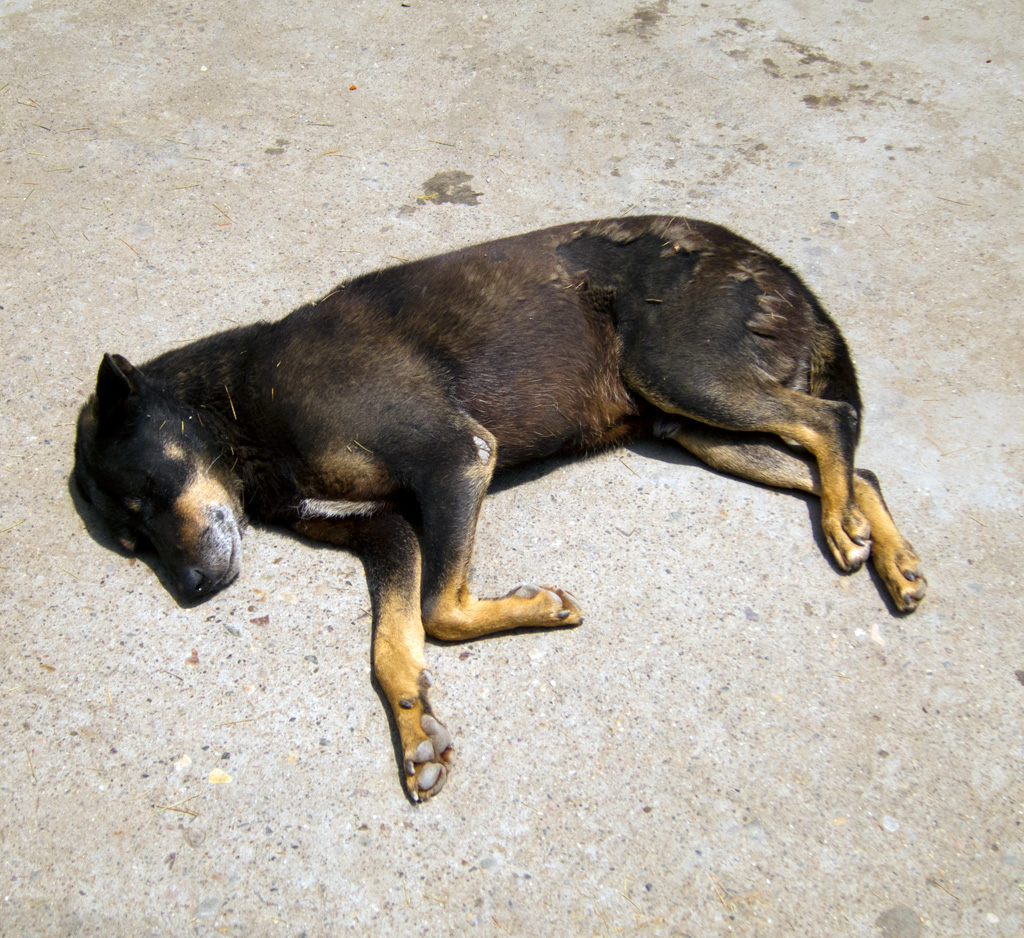
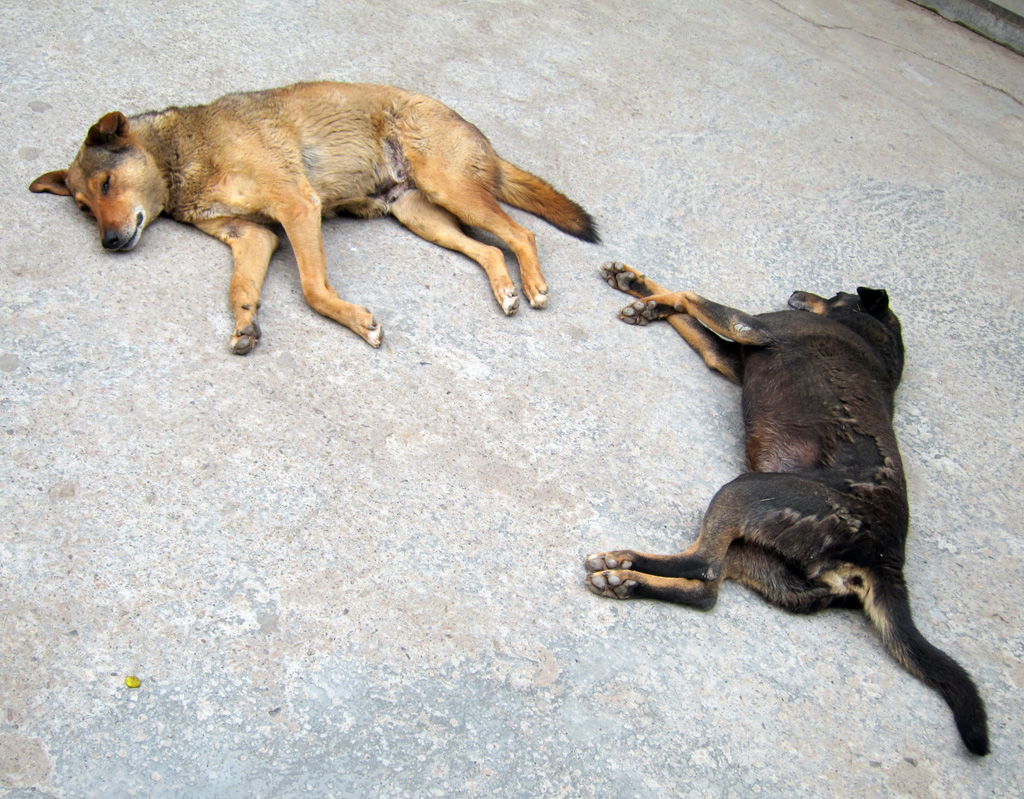
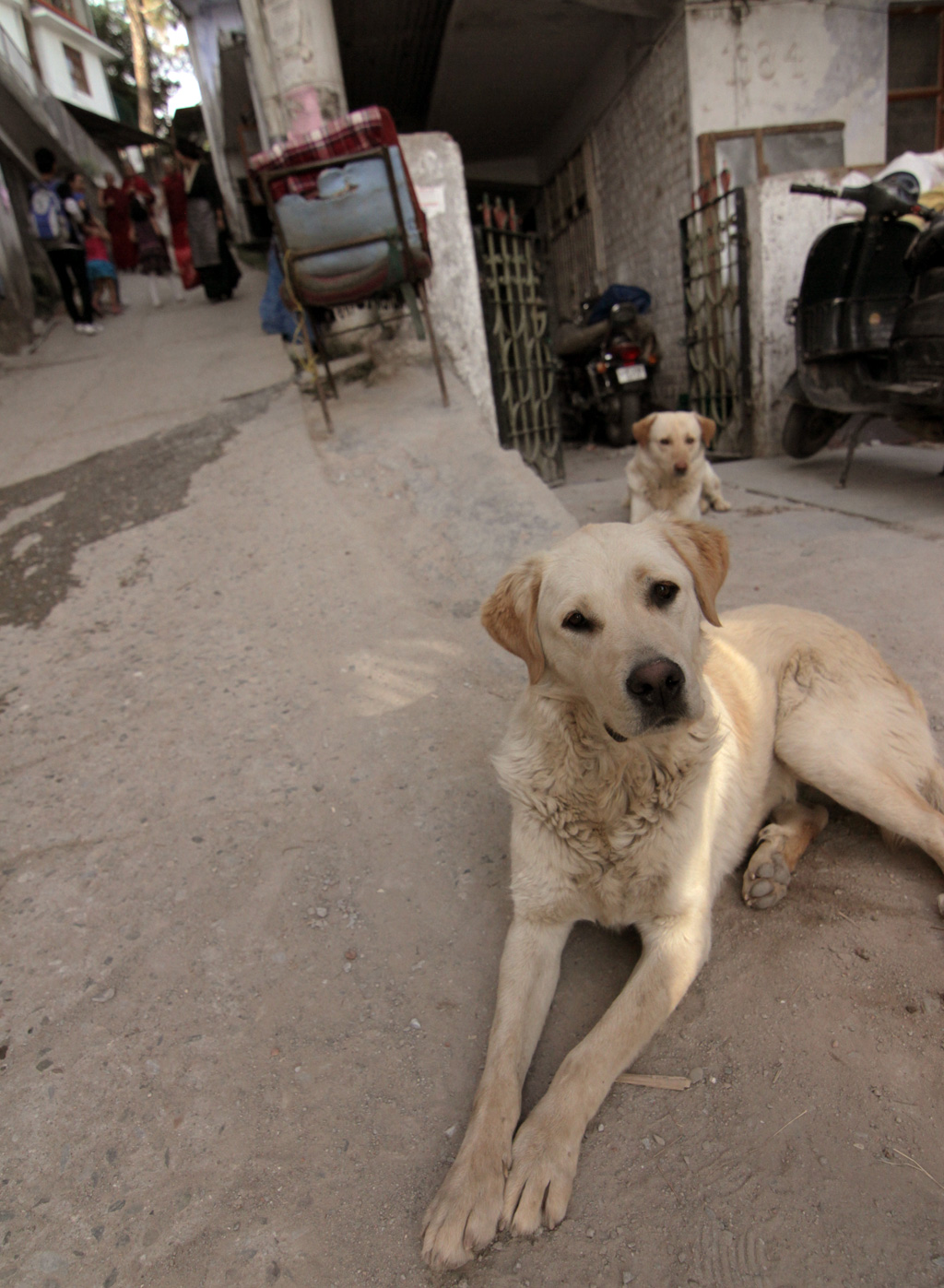
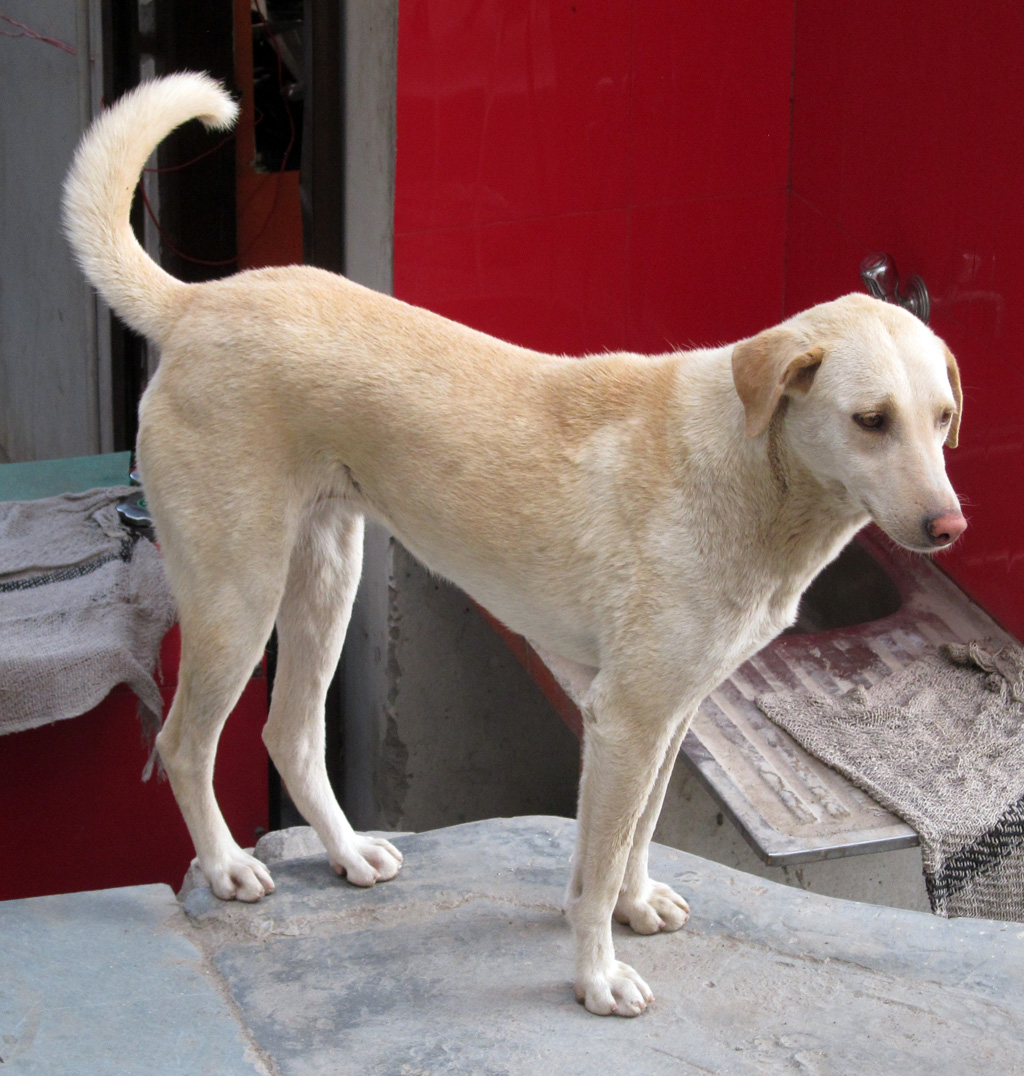
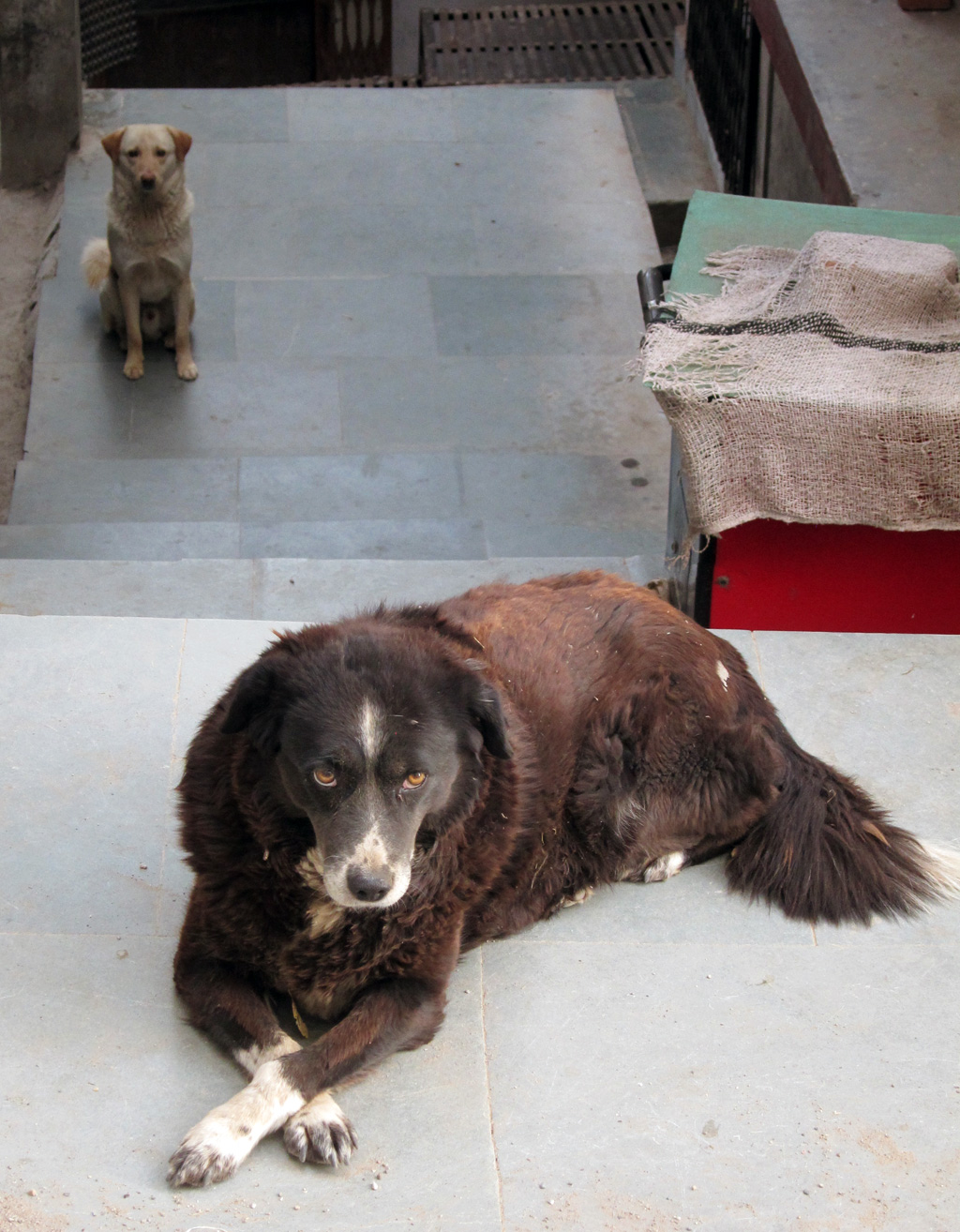
All these layers but no boundaries. Thickly bundled water pipes weave along unpaved walkways and trash-stuffed sewers. Cows amble along outer monastery corridors, tugging at bags of refuse, disrupting the sleeping dogs sprawled in the summer heat. Cats slink from railings to rooftops. The bazaars are crammed with monks, nuns, beggars, and Western tourists clad in identity-altering shawls. Three- and four-wheeled taxis navigate the humanity like rafts on rapids, their horns—ranging from beep to blare—strike the offbeats between sparrows and crows. There are more stable sonic strata: rumbling generators, Tibetan longhorns, amplified chanting from the main temple, and a thousand conversations. Above, electrical lines intertwined with tree branches form skyways for feuding monkey clans. Still higher, birds of prey circle the snow-covered peaks. A welcome breeze disrupts the power, the Internet connection is lost. Life here carries on.