Tonight we walked up Temple Road for dinner at Snow Lion.
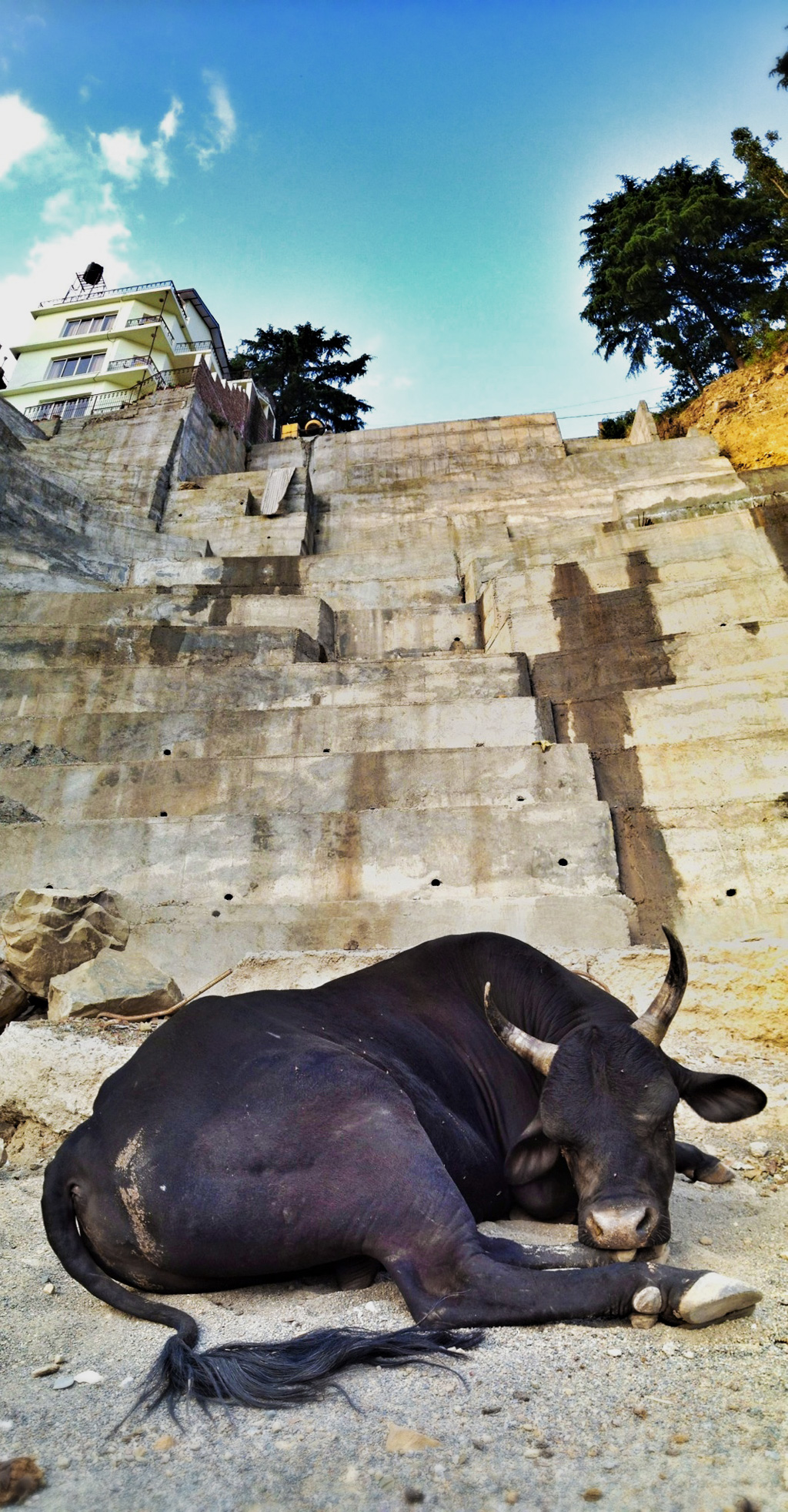
Chemey was there. So was Sangye. Sangye used to live in the U.S., painting houses and eventually getting a job at the Tibetan channel at Voice of America. Steeped in Tibetan news and culture every day at work, he began to take a serious interest in spirituality. The Dalai Lama invited him to come back to Dharamsala to work in the Private Office… as a monk. He has been compiling an epic book of awards received by His Holiness (here is a partial list).
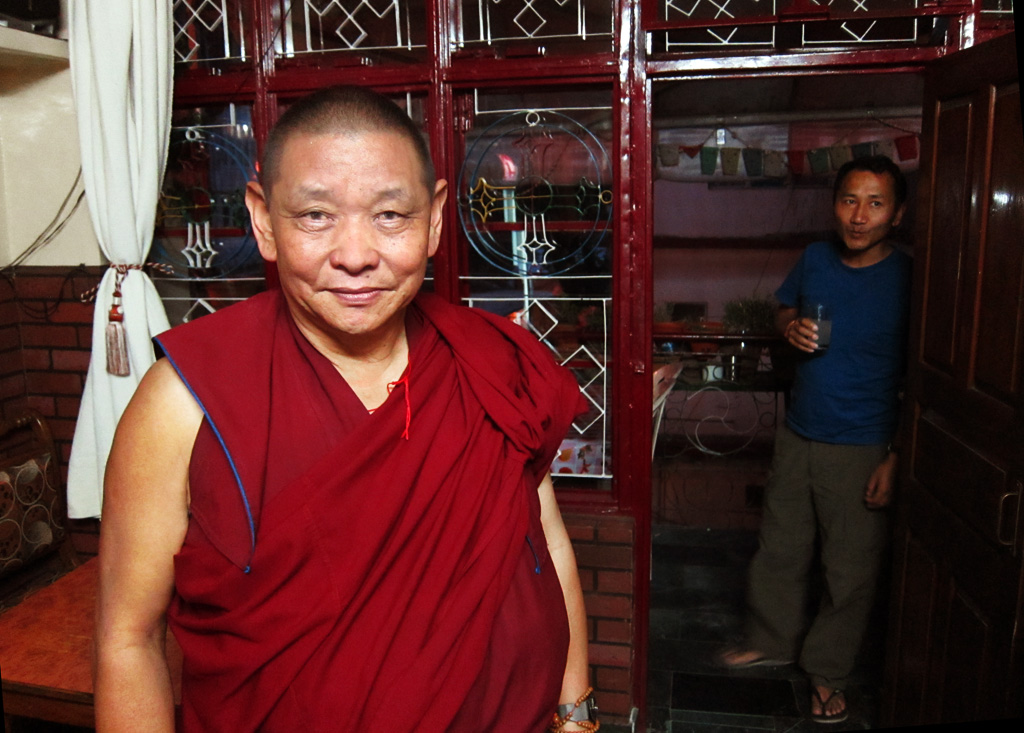
When Sangye arrived for dinner, our conversation with Chemey about the Tibetan language had shifted from curiosity to confusion. I had asked a question hoping Chemey would write the answer—which he did, but in a script I could barely read. Tibetan books and signs are usually written in the block-style u-chen script, while handwritten Tibetan is in a cursive script within the u-me family.
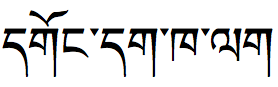
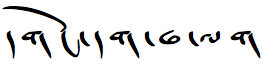
Assuming you can read the characters, you then have to struggle with things like silent prefixes and suffixes. Every Tibetan syllable has a root character which may be surrounded by additional consonants and vowels in potentially any direction.
This is one of the things that makes English (and Tibetan) much more difficult to learn than, say, Spanish (or Esperanto), whose phonetic rules are totally consistent (each letter makes one and only one sound, with the exception of a few dipthongs).
Here’s an example of how a two-syllable word is formed (from The Tibetan Language Student):
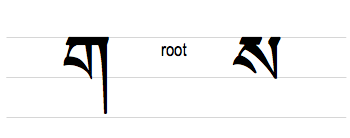
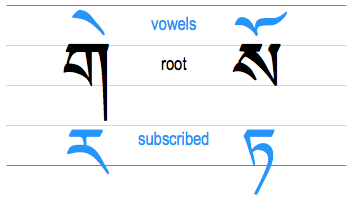
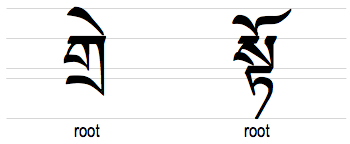
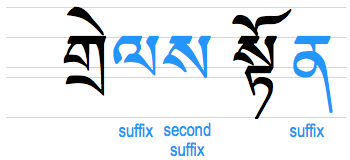
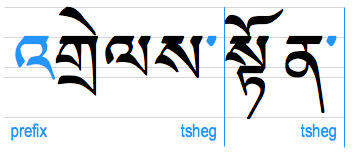
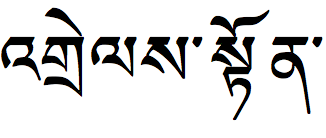
The word is drem-tön, which means show or exhibition.
Sangye says that in some regions of Tibet, the silent characters are still pronounced (e.g., suppose enough was spoken enowg-huh). I wonder if one of those areas might be an easier place to learn the language, because what you see is what you hear. Nevertheless, here I am, and I still have to look at a word for a long time to sound it out properly.